Plastic Free Coffee Maker: 2026 Buyer's Guide
Looking for a plastic free coffee maker? See materials to avoid, the best brew methods, and our top glass and stainless steel picks.
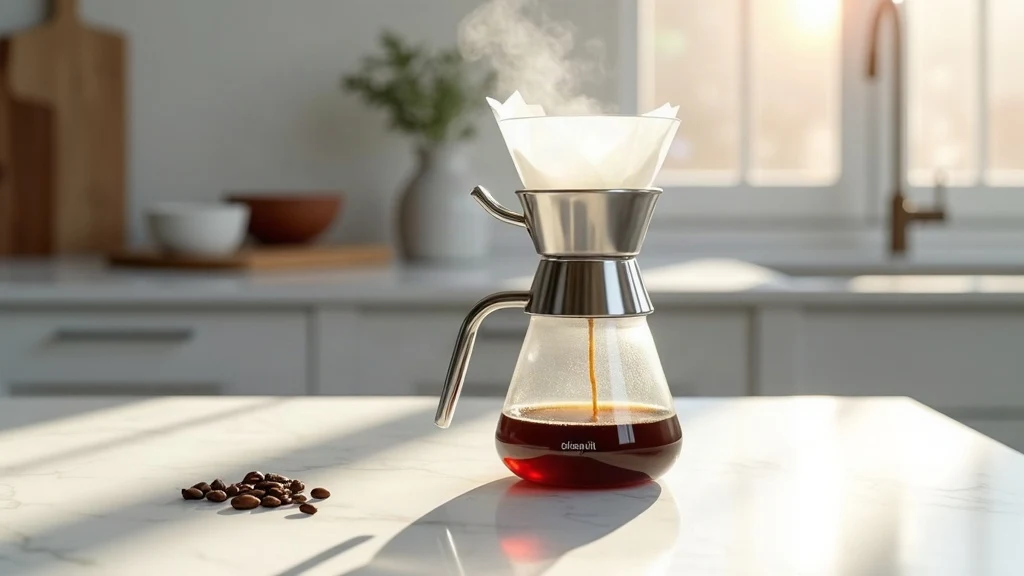
Plastic free coffee maker is a coffee brewing device built without plastic components in the brew path, so hot water and coffee never touch plastic. The cleanest options use glass carafes, stainless steel filters, ceramic drippers, or metal bodies.
Related reading: Discover our full guide on Moka Pot: Complete Guide to Brewing Perfect Coffee (2026).
Related reading: Discover our full guide on Coffee Tamper: How to Choose and Use One (2026 Guide).
- Choose pour over, French press, or moka pot methods for a plastic free brew.
- Avoid plastic reservoirs, valves, and filter baskets; check specs for BPA, BPS, and polypropylene.
- Glass and stainless steel are the two most common plastic free materials.
Most automatic drip machines look convenient, but the inside tells a different story. Inside the average machine, plastic handles the hottest jobs. Over time, heat, acidity, and repeated use can degrade that plastic. Choosing a plastic free coffee maker gives you a cleaner, more neutral cup and fewer microplastics in your morning routine.
This guide covers the materials to avoid, the best brewing methods, and the top glass and stainless steel options for 2026.
What makes a plastic free coffee maker different?
A plastic free coffee maker is different because every surface that touches coffee or hot water is made from glass, ceramic, stainless steel, or another non plastic material.
Coffee is acidic and usually brewed between 195 and 205 degrees Fahrenheit (90 to 96 Celsius), which is exactly the kind of heat that makes plastic leach more readily. By removing plastic from the equation, you protect the flavor of the coffee and reduce your exposure to unwanted compounds.
Updated: 2026
Plastic and coffee: the numbers behind the switch
Here are some real figures that explain why plastic free brewing is growing in popularity.
| Stat | Year | Source |
|---|---|---|
| More than 400 million metric tons of plastic are produced globally every year. | 2022 | OECD |
| Microplastics were found in 93% of bottled water brands tested worldwide. | 2018 | Orb Media |
| The average person ingests about 5 grams of plastic per week, roughly the weight of a credit card. | 2019 | WWF |
These stats focus on plastic pollution and ingestion. For coffee, the practical takeaway is to keep hot liquids away from plastic whenever possible.
James Hoffmann, World Barista Champion and founder of Square Mile Coffee Roasters, describes the ideal brewer as, "A neutral vessel between the coffee and the cup." The less plastic in that vessel, the easier it is to taste what the coffee actually offers.
Which materials should you avoid in a coffee maker?
You should avoid any component that touches hot water or brewed coffee and is made from BPA, BPS, polypropylene, polycarbonate, or PVC.
- Polycarbonate reservoirs appear in many drip machines and electric kettles.
- Polypropylene brew baskets are common in automatic brewers.
- PVC tubing hides inside some cheaper machines.
- Plastic valves and gaskets show up in espresso machines.
- Plastic carafes should be replaced with glass or stainless steel.
What are the best plastic free coffee maker methods?
The best plastic free methods are pour over, French press, moka pot, and manual drip because each can be built with glass, ceramic, or stainless steel.
| Method | Materials to choose | What to check | Cup style |
|---|---|---|---|
| Pour over | Glass or ceramic dripper | Dripper, server, and kettle | Clean and bright |
| French press | Glass beaker and stainless steel mesh | Lid knob and center rod | Full bodied and rich |
| Moka pot | Stainless steel or aluminum | Handle and top knob | Strong espresso style |
| Drip machine | Glass carafe and stainless steel basket | Water path and inner tubing | Sturdy everyday coffee |
For pour over, a glass or ceramic dripper sits on a glass server and uses a paper or metal filter. It is the easiest way to start because the equipment list is tiny. Our step by step coffee guide explains the ratios.
A French press uses a mesh filter that preserves more coffee oils. Choose a model with a metal lid knob, because some classic designs use plastic.
A moka pot works well for a strong, espresso style brew. Look for a fully metal version, since some models have plastic handles and knobs.
Best plastic free coffee maker options to buy in 2026
Look for these four styles when shopping for plastic free brewing.
| Style | Example | Materials | Best for |
|---|---|---|---|
| Glass pour over | Chemex or Hario V60 glass | Glass, wood, steel filter | Bright, clean single cups |
| Stainless steel French press | Double wall steel press | Stainless steel body and mesh | Rich body, lasting heat |
| Ceramic dripper | Hario V60 ceramic | Ceramic and glass server | Fragrant filter coffee |
| Cold brew jar | Glass jar with steel filter | Glass and stainless steel | Iced coffee and concentrate |
When you shop, check the product images for visible plastic rings, caps, and clips. Read the description for words like Tritan, polypropylene, or BPA free. BPA free is not plastic free. A true plastic free coffee maker should not list those materials at all.
If you already own a brewer, you can make quick swaps. Replace a plastic filter basket with a stainless steel one, or pour your drip coffee into a glass carafe instead of a plastic server. The ground coffee guide explains how grind size changes your results.
How do you know a coffee maker is truly plastic free?
Check the product page for materials, read the manual, and look for plastic in the reservoir, basket, and water path.
- Look for "stainless steel," "glass," or "ceramic" in the product name.
- Avoid "BPA free" as the only material claim.
- Search the manual PDF for "plastic" and "reservoir."
- Contact the brand and ask for a full materials list.
According to the World Health Organization, more research is still needed on microplastics in drinking water. Until the science is settled, erring on the side of glass and steel is a sensible choice.
Can a plastic free coffee maker make all types of Coffee Drinks?
Yes, but espresso is the hardest because many semi automatic machines rely on plastic internal parts.
French press and pour over cover regular coffee, American style coffee, cold brew, and café crema. For milk drinks, steam milk separately in a stainless steel pitcher. For espresso, look for a manual espresso machine with a metal group head and portafilter. See our manual espresso machine guide and the espresso basics article for tips. For cold coffee, use the cold brew concentrate recipe.
Frequently Asked Questions
Does BPA free mean plastic free?
No. BPA free only means the product avoids one specific chemical. It can still contain polypropylene, Tritan, or other plastics.
Is a French press better than a pour over for plastic free coffee?
Both are excellent. A French press keeps more coffee oils for a fuller body; a pour over produces a cleaner cup with a paper filter.
Are plastic free coffee makers more expensive?
Not necessarily. A glass pour over starter kit costs less than many plastic drip machines. Premium stainless steel versions cost more, but they last longer.
Can I use paper filters with a plastic free coffee maker?
Yes. Paper filters are compostable and keep your brew free of plastic. You can also use a stainless steel mesh filter for a reusable option.
What is the healthiest coffee maker without plastic?
A glass French press or a ceramic pour over used with a metal or paper filter is one of the healthiest plastic free choices.
Next story
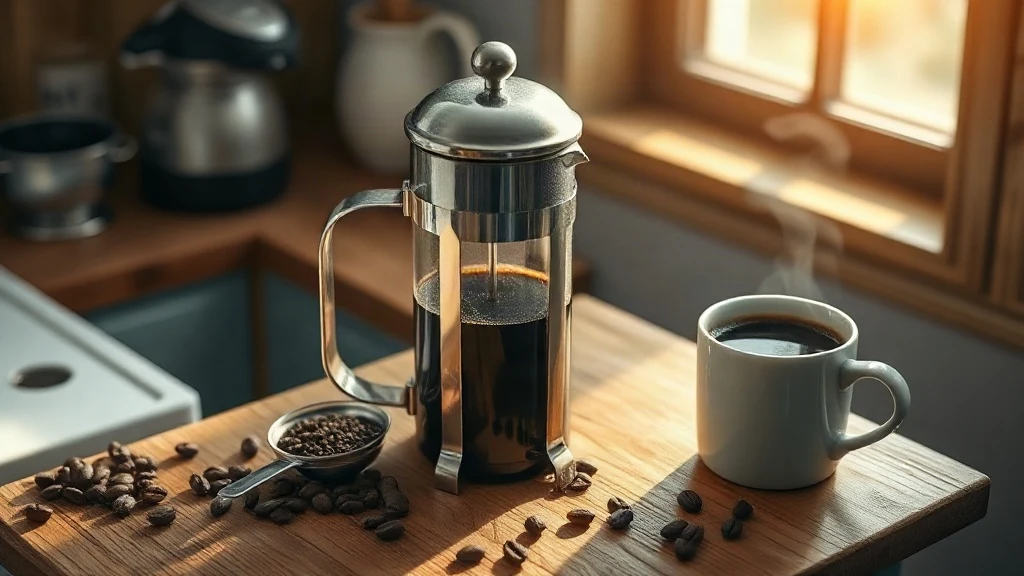
Cafetiere Guide: How to Use a French Press (2026)
Cafetiere guide for 2026: what it is, how to use one, best coffee ratio, grind size, steeping time, and cleaning tips for perfect French press coffee.