What Is Espresso? Complete Guide for Beginners (2026)
What is espresso? Learn how espresso is made, espresso vs coffee differences, caffeine levels, crema, and key terms. Updated 2026.
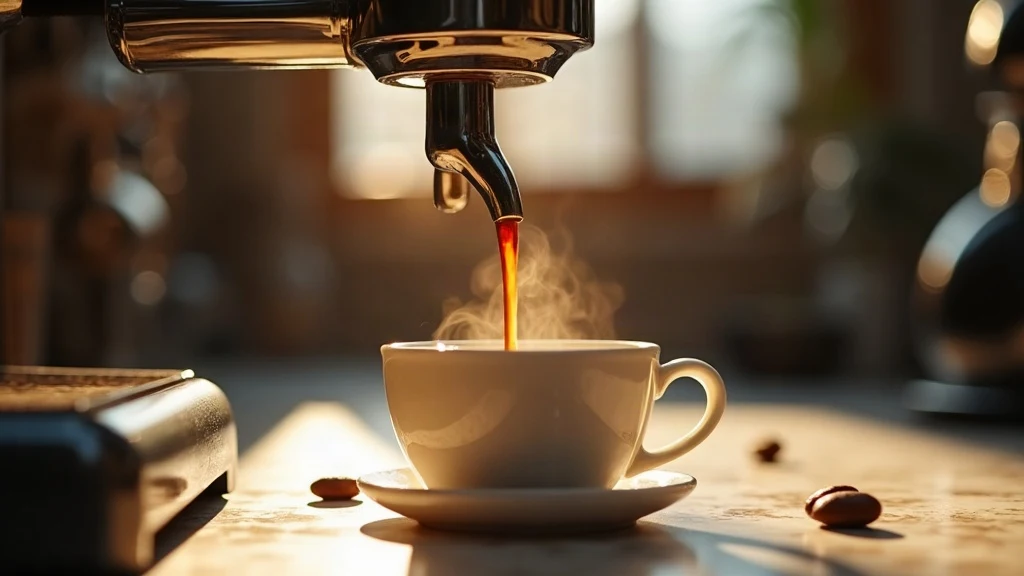
what is espresso: What is espresso? Learn how espresso is made, espresso vs coffee differences, caffeine levels, crema, and key terms. Updated 2026.
Related reading: Discover our full guide on Plastic Free Coffee Maker: 2026 Buyer's Guide.
Related reading: Discover our full guide on AeroPress AeroPress Guide: How to Use It (2026).
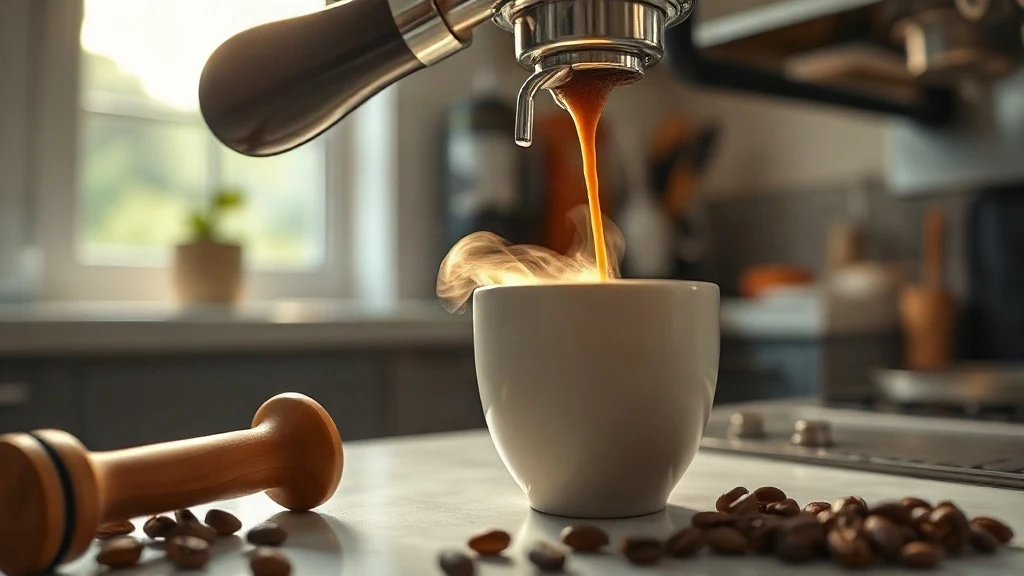
Espresso is a concentrated coffee drink made by forcing hot water through finely Ground Coffee under high pressure. A well-pulled shot takes about 20 to 30 seconds and is topped with a layer of golden crema. This complete guide explains what espresso is, how it is brewed, how it compares with regular coffee, and how much caffeine it contains.
Updated 2026.
Key Espresso Facts
| Fact | Value | Source |
|---|---|---|
| Caffeine per fluid ounce | About 63 mg | USDA FoodData Central, 2024 |
| Brewing pressure | About 9 bar | Specialty Coffee Association |
| Extraction time | 20 to 30 seconds | Specialty Coffee Association |
| Typical single shot | 25 to 35 ml | Specialty Coffee Association |
What Is Espresso?
Espresso is a small, concentrated coffee beverage brewed by forcing pressurized hot water through finely ground coffee. The word espresso comes from Italian and means pressed out, because the machine pushes water through the coffee rather than letting it drip. The National Coffee Association describes espresso as a concentrated form of coffee served in shots. As James Hoffmann writes in The World Atlas of Coffee, “Espresso is a method of brewing coffee that produces a very concentrated drink by forcing a small amount of hot water through finely ground coffee under pressure.”
A true espresso requires several conditions: a fine grind, a precise dose, even tamping, water around 90 to 96 degrees Celsius, and about 9 bars of pressure. When these conditions are right, the shot extracts the soluble flavors of the coffee in under 30 seconds.
How Is Espresso Made?
Espresso is made by pumping hot water at about 9 bars of pressure through a compact bed of finely ground coffee. The standard steps are simple once you understand them.
- Grind fresh coffee beans to a fine texture, similar to table salt.
- Dose 7 to 9 grams for a single shot or 14 to 18 grams for a double shot.
- Distribute the grounds evenly in the portafilter and tamp them flat.
- Lock the portafilter into the group head and start the extraction.
- Stop the shot after 20 to 30 seconds, when the yield reaches about 25 to 35 ml for a single shot or 50 to 70 ml for a double shot.
If your machine has a manual lever, see our guide to using a manual espresso machine for step-by-step control over pressure.
What Is Espresso Crema?
Espresso crema is the golden-brown foam that forms on top of a freshly pulled shot. It is created when hot water under pressure emulsifies the natural oils in the coffee and traps carbon dioxide released during roasting. A thick layer of crema is a sign of fresh beans and a well-extracted shot, although flavor should be your final judge.
What Is the Difference Between Espresso and Coffee?
Espresso and coffee are not two different beans. Espresso is a brewing method, while drip coffee is a gravity-based method. All espresso is coffee, but not all coffee is espresso.
| Aspect | Espresso | Drip coffee |
|---|---|---|
| Pressure | About 9 bar | Gravity only |
| Grind size | Very fine | Medium |
| Brew time | 20 to 30 seconds | 4 to 6 minutes |
| Serving size | 25 to 35 ml | 180 to 240 ml |
| Caffeine per serving | About 63 mg per 30 ml | About 70 to 140 mg per 240 ml |
In terms of taste, espresso is thicker, sweeter, and more intense, while drip coffee is lighter and cleaner. For a broader look at brewing styles, read our guide to the main types of coffee.
How Much Caffeine Is in Espresso?
One fluid ounce of espresso contains about 63 mg of caffeine. A single espresso shot is only 1 fluid ounce, so it delivers less caffeine than a regular mug of drip coffee. A double shot, which is about 2 ounces, contains roughly 126 mg, close to the amount in a standard cup of drip coffee. The caffeine content depends on the bean, roast, and extraction, but the USDA FoodData Central value is a practical baseline.
What Are the Most Common Espresso Drinks?
The most common espresso drinks are espresso, macchiato, Americano, cappuccino, latte, flat white, and mocha. Each is built on one or two shots of espresso with different amounts of milk and water.
- Espresso: a single or double shot served as is.
- Macchiato: espresso marked with a small dollop of milk foam.
- Americano: espresso diluted with hot water.
- Cappuccino: equal parts espresso, steamed milk, and milk foam.
- Latte: espresso with a larger amount of steamed milk and a thin foam layer.
- Flat white: double espresso with velvety microfoam.
- Mocha: a latte with chocolate syrup or cocoa.
How Do You Drink Espresso Like a Pro?
Espresso should be drunk right after it is pulled, when the crema and aromatics are at their best. In Italy, it is common to drink a small glass of water first to clean the palate, then sip the espresso with or without sugar. You should sip espresso, not shoot it, because the flavor changes as it cools.
What Coffee Beans Are Best for Espresso?
Espresso works best with a fresh, medium to dark roast that has a balanced sweetness and low bitterness. Traditional blends often use a mix of arabica and robusta beans, because robusta adds body and crema while arabica adds complexity. Single-origin espressos highlight flavors from a specific region, but they can be harder to dial in. For more brewing guidance, see our complete coffee brewing guide.
How Do Beginners Choose an Espresso Machine?
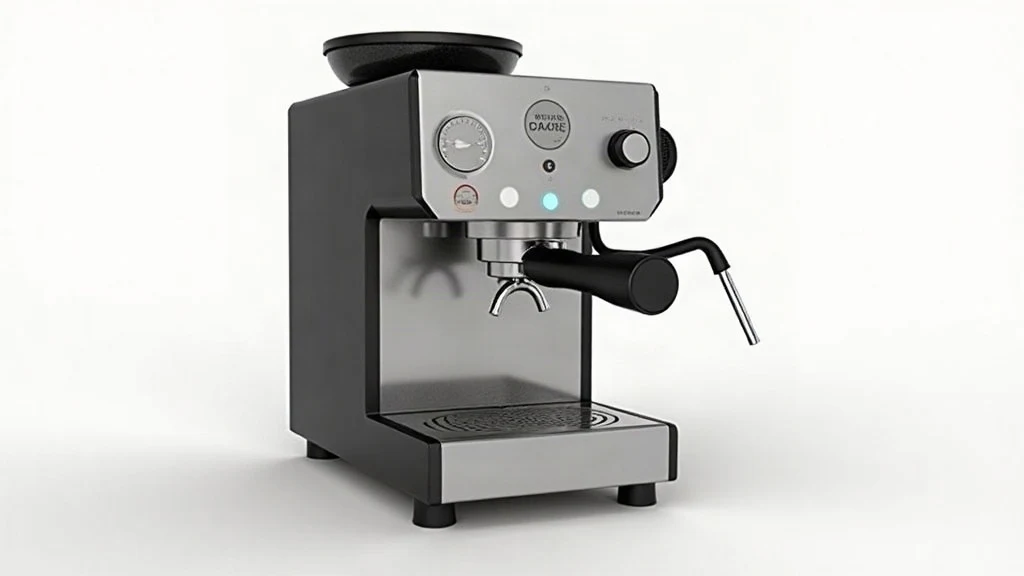
Beginners should look for a pump-driven machine that can reach about 9 bars of pressure and hold a stable water temperature. Manual lever machines are affordable and teach control, while semi-automatic machines handle pressure for you. Beginner-friendly pump machines, such as the Casabrews espresso machine, are popular starting points for home espresso. For a deeper look, browse our espresso guides.
Espresso Frequently Asked Questions
Is espresso stronger than coffee?
Espresso has more caffeine per ounce, but a typical serving has less total caffeine than a mug of drip coffee.
Can you make espresso without a machine?
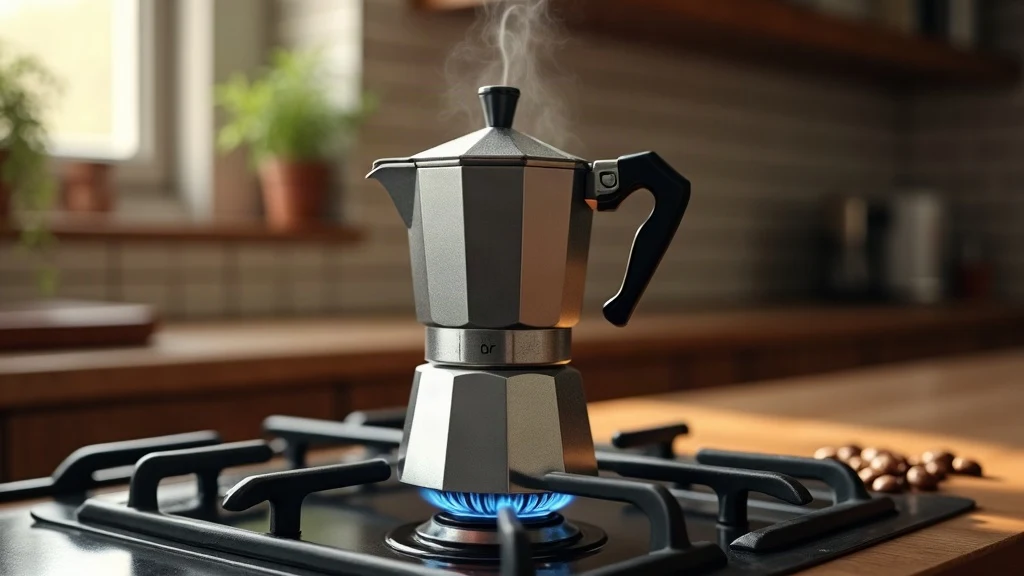
No. True espresso needs about 9 bars of pressure, which only an espresso machine can produce. A moka pot makes strong coffee but not espresso.
What is a double shot?
A double shot uses about 14 to 18 grams of coffee and produces 50 to 70 ml of espresso. Most cafe drinks are built on a double shot.
How many calories are in espresso?
Plain espresso has about 1 to 2 calories per shot. The calories increase when you add milk, syrup, or sugar.
Is espresso bad for you?
Moderate espresso consumption is safe for most healthy adults. It is high in caffeine per ounce, but the small serving keeps the total dose moderate.
Next story
Espressomaschine Bar: Complete Guide for Home & Café (2026)
Espressomaschine bar guide: what it means, how to choose a bar espresso machine for home or café, key features, and top tips for 2026. Quick answers inside.