How to Use a Manual Espresso Machine: Beginner Guide 2026
Manual espresso machine guide for home beginners: setup, grind, tamp, pull, dial in, clean, and fix the most common mistakes. Updated 2026.
manual espresso machine: Manual espresso machine guide for home beginners: setup, grind, tamp, pull, dial in, clean, and fix the most common mistakes. Updated 2026.
Related reading: Discover our full guide on What Is Espresso? Complete Guide for Beginners (2026).
Related reading: Discover our full guide on How to Make Coffee: Step-by-Step Guide for Beginners (2026).
Updated 2026
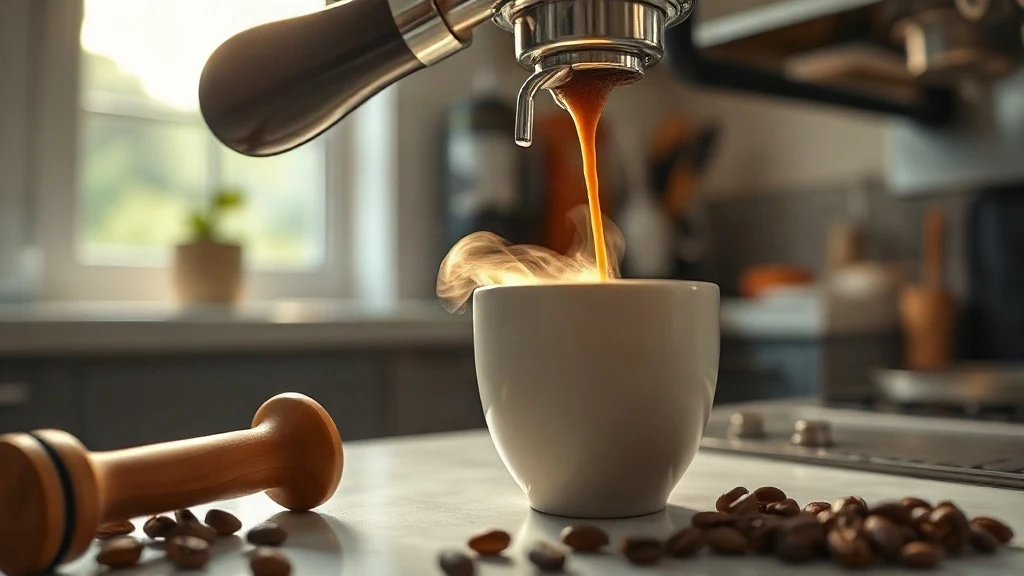
A manual espresso machine is the fastest way to train the skills that make great espresso at home. Instead of pressing a button and letting an automatic pump do everything, you control the pressure, the flow, and the time. You heat the machine, load 18 to 20 grams of finely Ground Coffee, tamp it evenly, and then pull the lever or pump handle for 25 to 30 seconds. The result is a heavy, creamy, concentrated shot and every variation tells you what to change next.
This beginner guide covers the full manual espresso workflow: preheating, grinding, dosing, tamping, pulling a shot, reading the flavor, switching to semi-automatic, cleaning, and avoiding beginner mistakes.
What is a manual espresso machine?
A manual espresso machine is an espresso maker that uses hand pressure instead of an automatic pump to push water through the coffee puck. In a lever version, you pull down a handle or piston to create the 8 to 9 bars of pressure needed for extraction. Some portable models use a pump lever or a different cylinder that you press slowly.
Manual machines are usually quieter, slower, and smaller than fully electric espresso makers. They also give you real-time control over pre-infusion, pressure, and extraction time. A well known portable example is the Flair espresso maker, while many classic home lever machines use a chrome lever group.
The phrase manual does not mean low quality. It means you are the barista, so the variables are visible. If you need to choose a bean that works well in a manual setup, start with the guide to coffee categories before you buy a bag.
Some beginner machines under names like semi-automatic still need your hand. The most common difference on the market is between a manual pump and a semi-automatic with a built-in electric pump. Both ask for the same coffee prep, at their own level.
Keep this workflow in your head: heat, grind, dose, distribute, tamp, pre-fill, and sometimes extract, weigh, taste, and repeat.
Tools you need before your first manual shot
You can pull a shakable manual espresso machine shot with just a portafilter and coffee, but a few cheap tools make it much more repeatable for a beginner:
- A small bowl or cup with 0.1 gram increments.
- A good kitchen scale with 0.1 gram increments.
- A timer, or use your phone.
- A 51 millimeter or 58 millimeter tamping tool.
- Fresh whole beans.
If you are new to espresso, skip pre-ground coffee for the first weeks. A consistent grind size is the fastest and most important fix for sour and bitter shots.
Also need clean filtered water at or near boiling. In a manual machine, the recipe starts with the water temperature. The more often you use exactly the same water temperature, the quicker the workflow becomes.
And if you are making cold drinks later, you can pair this tutorial with our coffee recipe collection after your first shot.
How to use a manual espresso machine step by step
The workflow for a manual espresso machine is the same every time: preheat, grind, dose, distribute, tamp, pull, and test again after continuous operation.
- Preheat the group head and portafilter. A cold group extracts obvious sour notes. Let the machine or metal piston warm for at least 10 minutes, or fill the brew chamber with hot water first. Some machines need a brief airtight pause.
- Dose the coffee by weight. Use 18 grams for a double shot, or 20 grams if the basket allows. Do not guess the dose with a scoop, because the yield and brewing time depend on the dose.
- Grind fine. The grind should feel like baking flour or powdered sugar. If it looks exactly like sand, try the grind much faster and re-pull.
- Distribute the ground coffee. Tap or use your dvi distribute tool so the puck is level. This has to be done before tamping, otherwise not all area participated in the extraction.
- Tamp flat and firm. Push directly downwards with steady pressure. Do not chop, voglio
- Preheat the water chamber, then lock the portafilter. Follow the manufacturer when the cylinder could be ready. Keep a hand under the coffee handle until you press.
- Pre-infuse for a few seconds. Lower the release or pump slowly until the first drops appear, pause, then build full pressure.
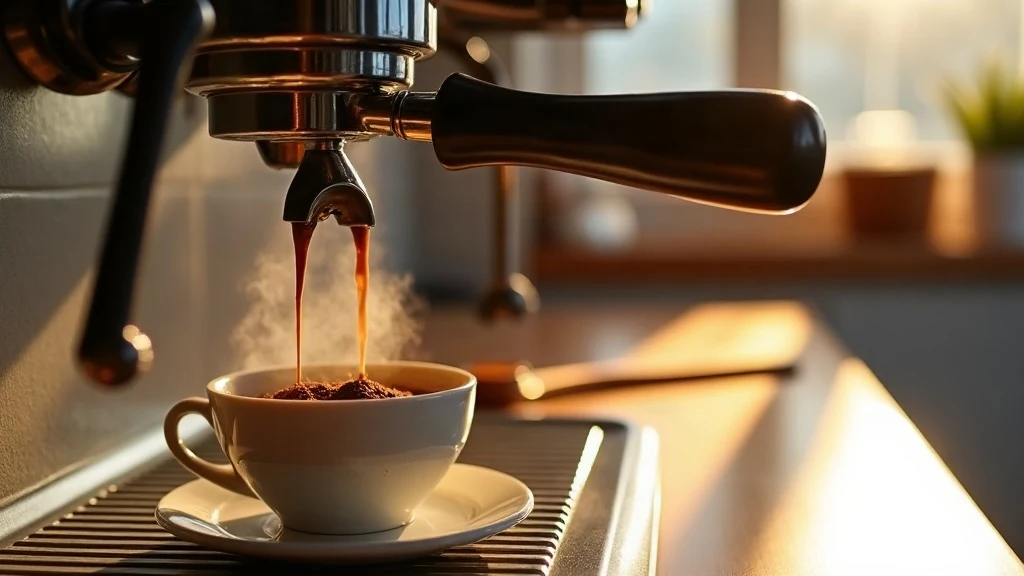
- Pull the shot. Start the timer when the pump or lever first touches the puck. A proper shot at 8 to 9 bars produces 36 to 40 grams of liquid in 25 to 30 seconds.
- Stop at the target weight and taste. Stop at exactly 36 grams for the 18 gram dose, then record shot time. Change one variable at a time.
Great espresso decides the moment you collect it. You need to ask what exactly went right or wrong: grind, dose, pressure, or time.
James Hoffmann, specialty coffee trainer and author
Your first shots on a manual machine will be fast or sour or bitter. An espresso always relevant. Do not make more than one change per variable.
Espresso targets for a manual espresso machine
Most recipes for a double shot fall within the Specialty Coffee Association and staple espresso ranges. Use the table as your starting point, then adapt to your bean.
| Target | Suggested Value | Reference |
|---|---|---|
| Dose (double) | 18 to 20 grams | Standard home double |
| Yield twice the dose | 36 to 40 grams | 1:2 ratio |
| Extraction time | 25 to 30 seconds | Specialty Coffee Association |
| Pressure | 8 to 9 bar | classic espresso pump |
Thresholds from the Specialty Coffee Association make a good base. Notice that 1 ratio and 01:02 baseline are click. Many manual machines on YouTube taste great with a slightly longer espresso and lighter 1:2.5 ratio. Fine.
How to dial in your manual espresso machine
Dialing starting is a science the manual machine makes a physical ritual. Follow a rough flow chart, one answer from the cup and a clear change.
If the shot is under-extracted, sour, or watery, then the ingredients are too coarse or the dose is too generous. Quick action: grind finer and keep the same dose and tamp to slow
If the shot is overextracted, bitter and harsh, grind slightly and chase and keep the volume down. Also check the water temperature on the machine if it is boiling.
A common recipe is to pull your shots until shot time gets 28 seconds, then fine-tune by taste. Whenever the shot tastes empty, you grind finer. Whenever it is harsh and burning, grind coarser.
It needs time to measure the flow: the first drop should begin in 4 to 7 seconds. To begin earlier, grind faster; to start a later, grind finer.
Manual espresso machine vs semi-automatic espresso machine
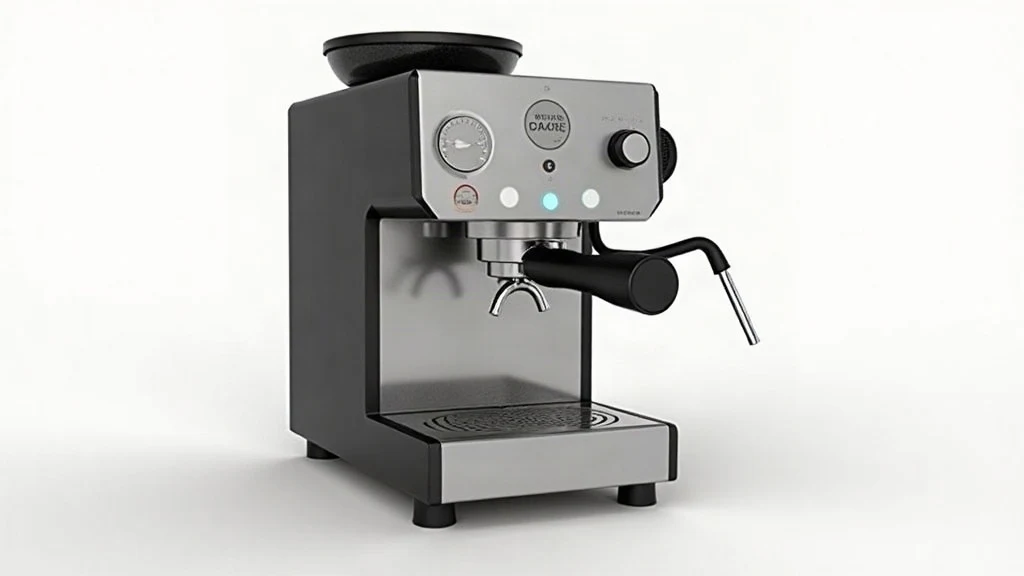
For beginners, the difference between a manual espresso machine and a semi-automatic one is in the daily attention. A manual gives you full pressure control and the smallest possible machine. A semi-auto does the full pressure with an electrical pump, but you and the it have a portafilter.
| Feature | Manual espresso machine | Semi-automatic espresso machine |
|---|---|---|
| Pressure source | Your hand, lever, or piston | Built-in electric pump |
| Control | Full pressure and flow control | Contains dose and time only |
| Learning curve | Steeper, but focused | Moderate and approachable |
| Portability | Often compact and light | Heavier and dependent |
| Best for | Detail, portability, quiet | Daily milk drinks at home |
The choices are not magic. A manual pump gives you more pressure variations, then leaves you drink straight espresso. A semi-auto makes it easy to make milk drink without breaking the machine workflow.
A note on Casabrews espresso machine variants. Search suggestions include Casabrews espresso machine and misspelled names such as espressigram, expreita, and espressomaschiner. Casabrews sells a series of budget semi-automatic espresso machines, not a classic hand lever. If your portafilter is connected to a powered pump, the same workflow still applies: grind smaller, dose, tamp, volume and press at a 2:1 ratio. The machine name changes but the barista's control does not.
5 beginner mistakes with a manual espresso machine
- Unknown tamp pressure. Tamp the same every day. Horizontal erratic pressure makes shots run through the coffee: the liquid all flows through the empty side.
- Changing grind and dose at the same time. The cup cannot point you if you have changed two variables. Fix exactly one until the next.
- Using stale or pre-ground coffee. Espresso needs a recently roasted whole bean ground just before the pull.
- No scale and no timer. Espresso is a ratio drink; you cannot control one without watching the gram and seconds.
- Skipping preheat. A cold group head gives a sour curre, so always heat the portafilter and the group.
Cleaning and maintenance
A manual espresso machine looks different from an espresso with no electronics, but it still needs a simple routine.
- Rinse the portafilter and basket immediately after pulling and empty the hot cake.
- Wipe the piston, lever. Use a wet cotton cloth and do not soak.
- Backwash the group head if your manual supports it, at least once a week, following the manufacturer
- Dry metal parts before storing to avoid rust and seizing.
- Check the pressure seals once a month and replace if water leaks around the lever.
- Descale every few months using a descaling solution if your home water is heavy on minerals.
You can see
Next story
Espressomaschine Bar: Complete Guide for Home & Café (2026)
Espressomaschine bar guide: what it means, how to choose a bar espresso machine for home or café, key features, and top tips for 2026. Quick answers inside.