Ground Coffee Guide: Grind Sizes, Brewing & Storage (2026)
Learn everything about ground coffee: grind sizes, brewing methods, storage tips, and how to pick the best grounds for your cup. Updated 2026.
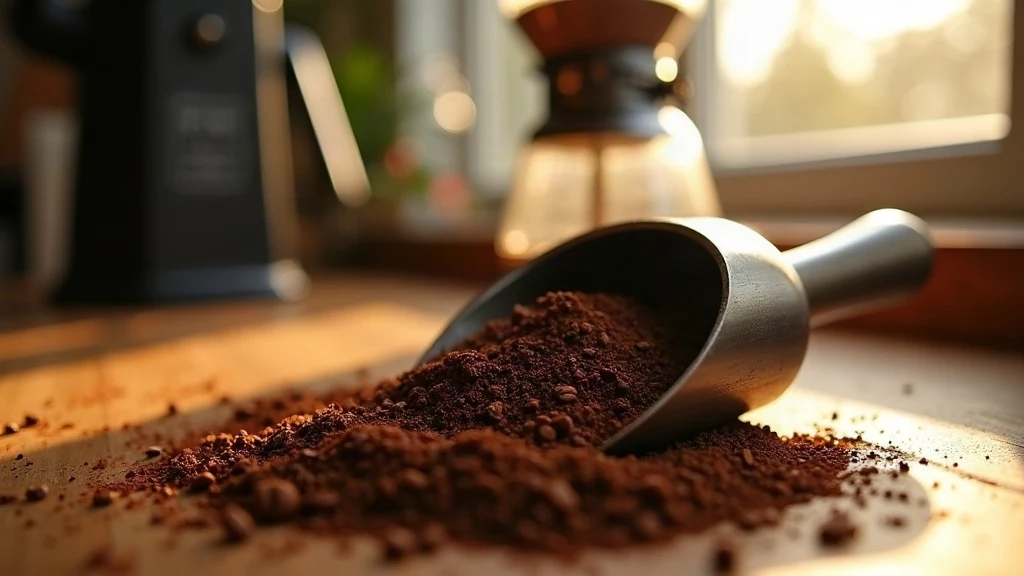
Ground coffee is coffee that has been milled from roasted beans into smaller particles for brewing. The grind size controls how quickly water extracts flavor, so choosing the right grind for your brewing method is the single most important step to a great cup.
Related reading: Discover our full guide on Coffee Tamper: How to Choose and Use One (2026 Guide).
Related reading: Discover our full guide on Plastic Free Coffee Maker: 2026 Buyer's Guide.
Related reading: Discover our full guide on AeroPress AeroPress Guide: How to Use It (2026).
- Match your grind size to your brewing method for balanced flavor.
- Buy whole beans and grind at home for the freshest results.
- Store ground coffee in an airtight container away from light, heat, and moisture.
- Use ground coffee within one to two weeks of grinding for best taste.
Ground coffee is the most convenient way to brew coffee at home. You can find it in every supermarket, cafe, and online store, and it works with nearly every brewing device. But convenience comes with a trade-off: once coffee is ground, it starts losing flavor quickly.
According to the National Coffee Association, about 63 percent of Americans drink coffee daily, and a large share of them use pre-ground coffee for convenience. Globally, the International Coffee Organization estimates that more than 2 billion cups of coffee are consumed every day. With numbers like these, ground coffee is clearly the backbone of everyday brewing.
This guide covers everything you need to know about ground coffee, from grind sizes and roast levels to brewing methods and storage. Whether you are new to coffee or want to improve your daily cup, these tips will help you get the most from your grounds.
What Is Ground Coffee?
Ground coffee is simply roasted coffee beans that have been crushed into smaller particles. The grinding process increases the surface area of the coffee, which allows hot water to extract flavors, oils, and aromas during brewing.
The size of the particles, called the grind size, directly affects how fast water passes through the coffee and how much flavor is extracted. A finer grind exposes more surface area and extracts faster, while a coarser grind extracts more slowly. Getting this balance right is the key to avoiding bitter or weak coffee.
Ground coffee is sold in many forms, from single-origin bags to supermarket blends. The quality varies widely, so it pays to understand what you are buying. Look for a roast date, a clear origin, and a grind size that matches your brewing method.
Coffee Grind Sizes: Which One Should You Use?
Different brewing methods require different grind sizes. Using the wrong grind is the most common reason coffee tastes bad, even when the beans are high quality. The Specialty Coffee Association publishes brewing standards that recommend specific grind ranges for each method.
| Grind Size | Best For | Texture |
|---|---|---|
| Extra Coarse | Cold brew | Like rock salt |
| Coarse | French press, percolator | Like sea salt |
| Medium-Coarse | Chemex, Clever Dripper | Like rough sand |
| Medium | Drip coffee makers, pour-over | Like sand |
| Medium-Fine | V60, siphon | Like table salt |
| Fine | Espresso, moka pot | Like powdered sugar |
| Extra Fine | Turkish coffee | Like flour |
If you buy pre-ground coffee, check the package for the recommended brewing method. Many brands label their grounds as "drip," "espresso," or "French press," which makes the choice easier.
As James Hoffmann, one of the world's most respected coffee educators, puts it, "The difference between good coffee and great coffee often comes down to how fresh the grind is." Freshly ground coffee always tastes brighter and more aromatic than coffee that has sat in a bag for weeks.
How to Choose the Best Ground Coffee
The best ground coffee depends on your taste preferences and brewing method. Start with the roast level, then consider the coffee type.
Roast levels range from light to dark. Light roasts preserve the bean's original flavors, with bright acidity and fruity notes. Medium roasts balance acidity and body, making them the most popular choice for drip coffee. Dark roasts have a bold, smoky flavor with lower acidity and a heavier body.
You will also encounter two main coffee types: Arabica and Robusta. Arabica beans are known for their smooth, complex flavors and are used in most specialty coffee. Robusta beans have a stronger, more bitter taste and about twice the caffeine. Many commercial blends combine both for balance and cost. If you want to learn more about the main categories, our guide to the category of coffee breaks down the differences in detail.
For the freshest flavor, look for a roast date on the package. Coffee is best within a few weeks of roasting, so choose bags with a recent date whenever possible.
Best Brewing Methods for Ground Coffee
Ground coffee works with almost any brewing device. Your choice of method affects the flavor, body, and strength of the final cup. Here is a quick overview of the most popular methods:
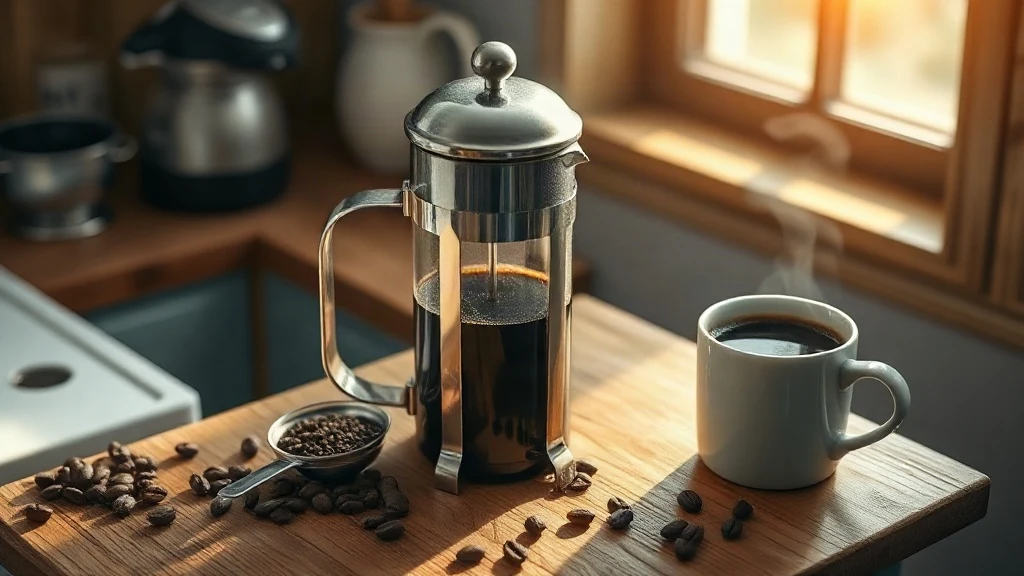
- French press: Uses coarse grounds and a metal mesh filter. Produces a full-bodied cup with rich oils. Steep for four minutes before pressing.
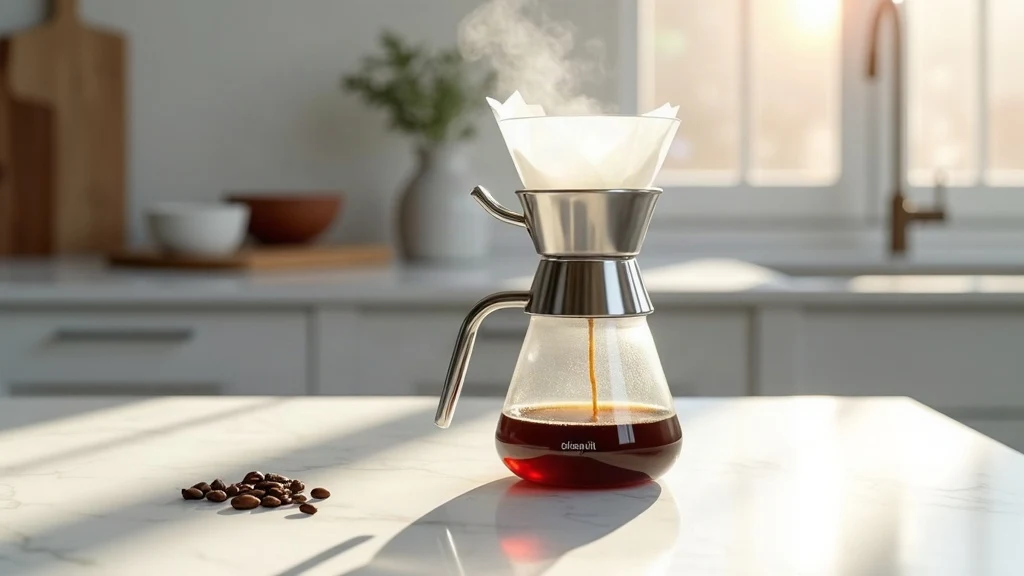
- Pour-over: Uses medium-fine grounds and a paper filter. Produces a clean, bright cup with clarity. Popular drippers include the V60 and Chemex.
- Drip coffee maker: Uses medium grounds. The most convenient option for brewing multiple cups at once. Most home machines use this method.
- Espresso machine: Uses fine grounds and high pressure. Produces a concentrated shot with crema. Learn more in our what is espresso guide.
- Moka pot: Uses fine grounds and stovetop pressure. Produces a strong, espresso-like brew that works well with milk.
- Cold brew: Uses extra-coarse grounds steeped in cold water for 12 to 24 hours. Produces a smooth, low-acid concentrate. Try our cold brew concentrate recipe for a simple method.
If you are looking for a plastic-free coffee maker, French presses, ceramic pour-over drippers, and stainless steel moka pots are excellent options that avoid plastic contact with your coffee. These materials also retain heat well and are easy to clean.
Coffee Drinks You Can Make with Ground Coffee
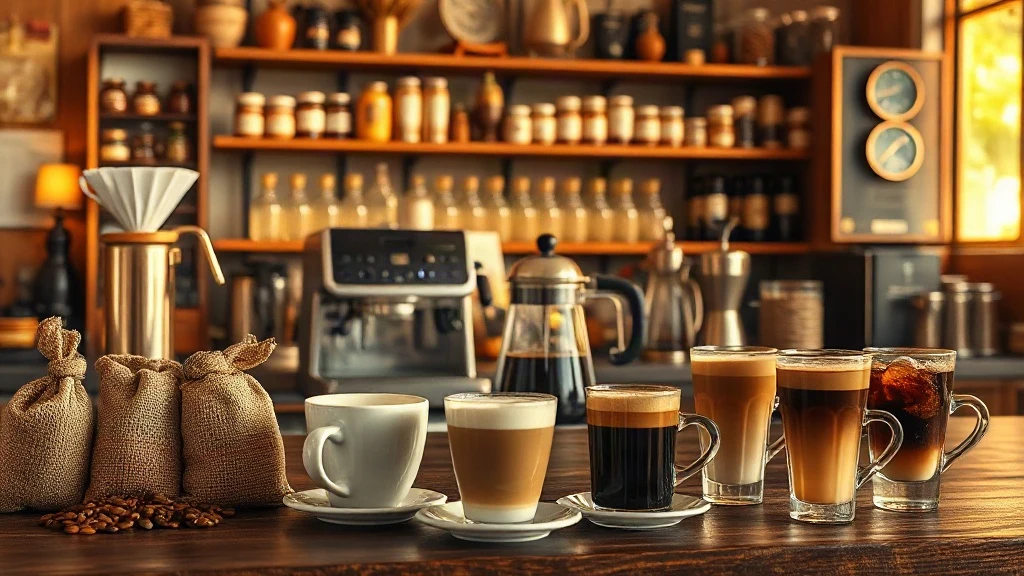
Once you have brewed a base coffee, you can turn it into a wide range of coffee drinks. Here are some popular options you can make at home:
- Americano: Espresso diluted with hot water for a milder, larger cup.
- Latte: Espresso with steamed milk and a thin layer of foam.
- Cappuccino: Espresso with equal parts steamed milk and thick foam.
- Iced coffee: Brewed coffee chilled and served over ice, often with milk or sweetener. See our how to make coffee guide for step-by-step instructions.
- Cold brew: Concentrate made by steeping coarse grounds in cold water, served diluted with water or milk.
You can also use ground coffee in baking, rubs, and desserts. Coffee grounds add depth to chocolate cakes, brownies, and even steak rubs. For more ideas, browse our coffee recipes collection.
How to Store Ground Coffee to Keep It Fresh
Ground coffee goes stale faster than whole beans because the increased surface area exposes more of the coffee to oxygen. Proper storage slows this process and preserves flavor.
Store ground coffee in an airtight container made of opaque material, such as ceramic or stainless steel. Keep it in a cool, dark place away from sunlight, heat, and moisture. Avoid the refrigerator or freezer, because temperature changes cause condensation that damages the coffee.
For the best flavor, use ground coffee within one to two weeks of grinding. After that, the coffee loses most of its aromatic compounds and tastes flat. If you buy in bulk, consider splitting the coffee into smaller containers and opening one at a time to limit oxygen exposure.
Ground Coffee vs Whole Bean: Which Is Better?
Whole bean coffee stays fresh longer than ground coffee, but it requires a grinder. Ground coffee is more convenient but goes stale quickly. Here is how they compare:
| Factor | Ground Coffee | Whole Bean |
|---|---|---|
| Freshness | Stales within 1-2 weeks | Stays fresh for 3-4 weeks |
| Convenience | Ready to brew | Requires a grinder |
| Equipment needed | None extra | Burr grinder recommended |
| Flavor control | Limited | Full control over grind size |
| Price per cup | Often higher | Often lower |
If you are serious about coffee, buying whole beans and grinding them just before brewing gives the best results. But if convenience matters more, quality pre-ground coffee from a reputable roaster is still a good choice. Many roasters now offer pre-ground options that are packaged soon after roasting to preserve freshness.
Frequently Asked Questions
How long does ground coffee stay fresh?
Ground coffee stays fresh for about one to two weeks when stored in an airtight container away from light, heat, and moisture. After that, it loses most of its flavor and aroma.
Can you use ground coffee in an espresso machine?
Yes, but you need a fine grind specifically for espresso. Pre-ground espresso coffee works, but for the best results, grind fresh beans finely right before brewing.
What is the best grind size for drip coffee?
Medium grind is best for drip coffee makers. It should feel like sand, allowing water to pass through at a steady rate for balanced extraction.
Is ground coffee the same as instant coffee?
No. Ground coffee is roasted beans that you brew with water. Instant coffee is a concentrated extract that has been dried into crystals or powder and only needs hot water to dissolve.
How much ground coffee should I use per cup?
A standard ratio is 1 to 2 tablespoons of ground coffee per 6 ounces of water. Adjust to taste, using more for a stronger cup and less for a milder one.
Next story
Cafetiere Guide: How to Use a French Press (2026)
Cafetiere guide for 2026: what it is, how to use one, best coffee ratio, grind size, steeping time, and cleaning tips for perfect French press coffee.