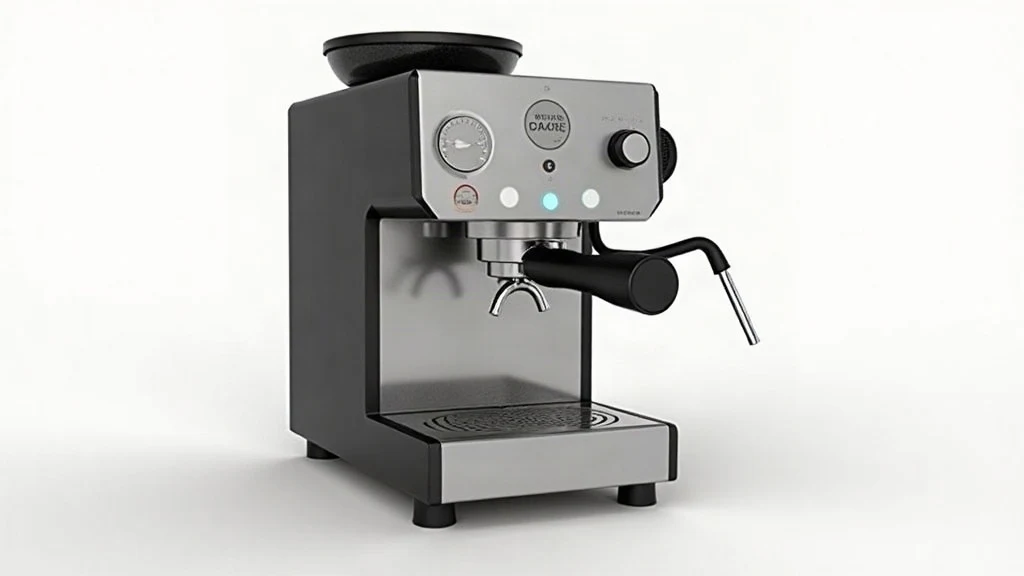
Moka Pot: Complete Guide to Brewing Perfect Coffee (2026)
Learn how to use a moka pot, choose the right grind, and avoid bitter coffee. Step-by-step instructions, tips, and common mistakes for perfect stovetop espresso.
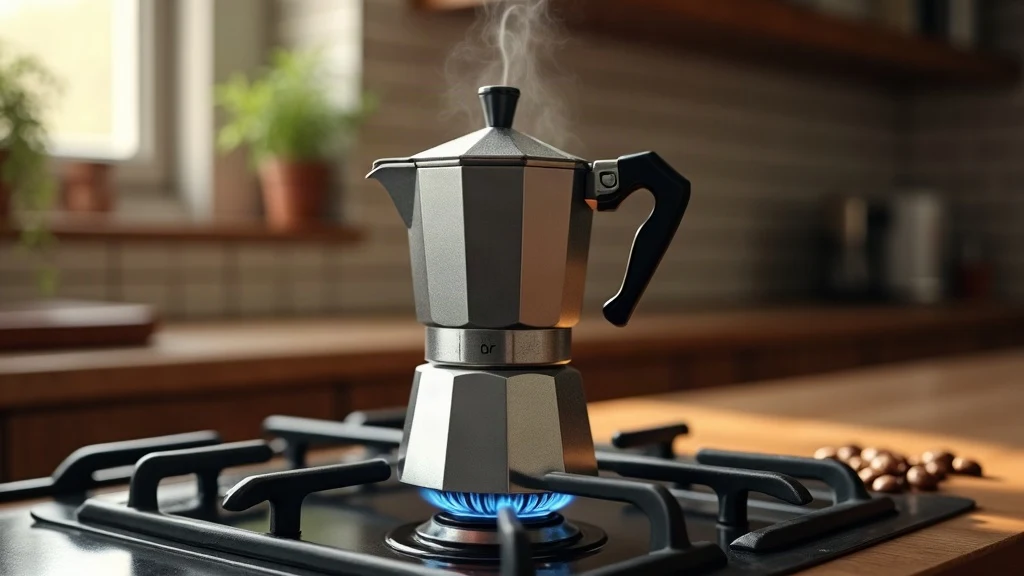
Moka pot is a stovetop coffee maker that uses steam pressure to brew a rich, concentrated coffee similar to espresso. It produces a strong, bold cup in about five minutes and is a favorite for home baristas who want espresso-style coffee without an expensive machine.
Related reading: Discover our full guide on Coffee and Machines: Complete Guide for Home Brewers.
Related reading: Discover our full guide on Espresiera: Complete Guide to Espresso Machines (2026).
Related reading: Discover our full guide on Coffee Drinks: Complete Guide to 15 Classic Drinks (2026).
- Use a medium-fine grind, slightly coarser than espresso.
- Fill the bottom chamber with water just below the safety valve.
- Remove the pot from heat as soon as it starts gurgling to avoid bitterness.
The moka pot has been a kitchen staple since 1933, when Italian engineer Alfonso Bialetti invented it. Today, it remains one of the most accessible ways to brew a strong, aromatic coffee at home. Whether you are a beginner or a seasoned brewer, understanding how this iconic device works can transform your morning routine.
In this guide, you will learn everything about the moka pot: how it works, how to use it step by step, how to choose the right grind, and how to avoid common mistakes. By the end, you will be able to brew a balanced, flavorful cup every time.
What Is a Moka Pot?
A moka pot is a three-chambered stovetop coffee maker that brews coffee by passing pressurized steam through ground coffee. It is often called a "stovetop espresso maker" because the resulting coffee is strong and concentrated, though it is not true espresso. The device consists of a bottom chamber for water, a middle funnel basket for coffee grounds, and a top chamber for the brewed coffee.
The moka pot is typically made of aluminum or stainless steel. Aluminum versions, like the classic Bialetti Moka Express, are lightweight and conduct heat well. Stainless steel models are more durable and can be used on induction cooktops. The size of the pot is measured in cups, but these "cups" are actually about 30 ml (1 oz) of coffee, so a 6-cup moka pot yields roughly 180 ml of coffee.
How Does a Moka Pot Work?
The moka pot relies on simple physics. When the bottom chamber is heated, the water inside turns to steam. The steam builds up pressure and pushes the hot water upward through the coffee grounds in the funnel basket. The water extracts flavors and oils from the coffee as it passes through, then rises into the top chamber. The result is a rich, full-bodied brew with a characteristic crema-like foam on top.
Unlike a true espresso machine, which uses 9 bars of pressure, a moka pot operates at only about 1.5 bars. This lower pressure means the coffee is less concentrated than espresso, but still much stronger than drip coffee. The brewing process takes about 4 to 5 minutes, depending on the heat level and the size of the pot.
How to Use a Moka Pot Step by Step
Using a moka pot is straightforward once you understand the basic steps. Here is a detailed guide to brewing a perfect cup.
- Fill the bottom chamber with water. Use filtered water and fill it just below the safety valve. Do not overfill, as this can cause the coffee to sputter and become bitter.
- Add coffee grounds to the funnel basket. Use a medium-fine grind, similar to table salt. Fill the basket level with the rim, but do not tamp or pack the coffee. A gentle shake to level the grounds is enough.
- Assemble the moka pot. Screw the top and bottom chambers together firmly, but do not overtighten. Make sure the gasket is clean and properly seated.
- Place the pot on the stove. Use medium heat. If you have a gas stove, keep the flame inside the base of the pot. For electric stoves, start on medium and adjust as needed.
- Watch the brew. After a few minutes, you will hear a gentle gurgling sound and see coffee flowing into the top chamber. As soon as the flow becomes a steady stream and the gurgling turns into a hiss, remove the pot from the heat.
- Stir and serve. Stir the coffee in the top chamber with a spoon to blend the layers, then pour and enjoy immediately.
For a more detailed comparison of brewing methods, check out our guide on how to make coffee.
Choosing the Right Grind for Your Moka Pot
The grind size is one of the most important factors in moka pot brewing. If the grind is too fine, the coffee will over-extract and taste bitter. If it is too coarse, the water will pass through too quickly, resulting in a weak and sour cup.
A medium-fine grind is ideal for a moka pot. It should feel like fine sand or table salt, slightly coarser than espresso grind but finer than drip coffee. If you buy pre-ground coffee, look for a "moka" or "stovetop espresso" grind. For the freshest results, grind your beans just before brewing.
| Brewing Method | Grind Size | Texture Reference |
|---|---|---|
| Espresso | Very fine | Powdered sugar |
| Moka pot | Medium-fine | Table salt |
| Drip coffee | Medium | Sand |
| French press | Coarse | Sea salt |
If you are unsure about the grind, start with a medium-fine setting and adjust based on taste. A slightly coarser grind will reduce bitterness, while a finer grind will increase strength.
Common Moka Pot Mistakes and How to Fix Them
Even experienced brewers make mistakes with the moka pot. Here are the most common issues and how to solve them.
| Mistake | Result | Solution |
|---|---|---|
| Overfilling the bottom chamber | Bitter, sputtering coffee | Fill water only up to the safety valve |
| Using too fine a grind | Bitter, over-extracted coffee | Use a medium-fine grind |
| Tamping the coffee | Slow brew, burnt taste | Level the grounds without pressing |
| Leaving the pot on heat too long | Burnt, metallic flavor | Remove as soon as gurgling starts |
| Using cold water | Longer brew, uneven extraction | Use hot water to speed up the process |
One common misconception is that you need a coffee tamper for a moka pot. Unlike a manual espresso machine, the moka pot does not require tamping. Pressing the grounds only slows down the water flow and leads to over-extraction.
Moka Pot vs. Espresso Machine: What's the Difference?
Many people wonder if a moka pot can replace a true espresso machine. While both produce strong, concentrated coffee, they are not the same. A moka pot uses about 1.5 bars of pressure, while an espresso machine uses 9 bars. This difference affects the crema, body, and flavor profile.
Espresso has a thick, golden crema and a velvety texture, while moka pot coffee has a lighter foam and a slightly more rustic mouthfeel. The moka pot is also more forgiving and easier to clean. If you are just starting out, a moka pot is an affordable entry point. For a deeper dive, read our guide on what is espresso and compare it with a manual espresso machine.
Cleaning and Maintaining Your Moka Pot
Proper cleaning is essential for the longevity of your moka pot and the taste of your coffee. After each use, let the pot cool down, then rinse all parts with warm water. Do not use soap, as it can leave a residue that affects the flavor. The aluminum body may develop a patina over time, which is normal and actually improves the taste.
Once a week, give the pot a deeper clean. Disassemble all parts and gently scrub the funnel and gasket with a soft brush. Check the rubber gasket for wear and replace it every 6 to 12 months. The safety valve should also be checked periodically to ensure it is not clogged.
If you are looking for a more sustainable option, explore our guide on plastic free coffee makers.
Tips for Better Moka Pot Coffee
Here are some expert tips to elevate your moka pot brewing.
- Use fresh, quality beans. The moka pot amplifies flavors, so start with freshly roasted coffee.
- Preheat the water. Using hot water from a kettle reduces the time the coffee sits on the heat, preventing bitterness.
- Control the heat. Once the coffee starts flowing, lower the heat to slow the extraction and avoid burning.
- Experiment with recipes. Try adding a pinch of salt or a dash of cinnamon to the grounds for a unique twist. Find more ideas in our coffee recipes.
- Serve immediately. Moka pot coffee is best enjoyed fresh, as it loses its aroma quickly.
According to coffee expert and author Scott Rao, "The moka pot is a simple, elegant brewer that can produce a surprisingly rich cup when you control the heat and grind." This sentiment captures why the moka pot remains a beloved tool for coffee enthusiasts worldwide.
Frequently Asked Questions
Can I use a moka pot on an induction stove?
Only stainless steel moka pots are compatible with induction cooktops. Aluminum models require an induction adapter plate. Check the manufacturer's specifications before use.
How much coffee should I use in a moka pot?
Fill the funnel basket with coffee grounds level to the rim. This typically holds about 10 to 12 grams of coffee per cup, depending on the pot size. Do not tamp or overfill.
Why is my moka pot coffee bitter?
Bitterness usually comes from over-extraction. Use a slightly coarser grind, remove the pot from heat as soon as it gurgles, and avoid using boiling water in the bottom chamber.
Can I make milk-based drinks with a moka pot?
Yes, you can use moka pot coffee as a base for lattes and cappuccinos. The coffee is strong enough to stand up to milk. Simply brew a concentrated batch and add steamed or frothed milk.
How often should I replace the gasket?
The rubber gasket should be replaced every 6 to 12 months, depending on usage. If you notice leaks or difficulty screwing the pot together, it is time for a new gasket.
For more on Coffee Types and brewing methods, visit our guide on types of coffee.
Next story

Espressomaschine Bar: Complete Guide for Home & Café (2026)
Espressomaschine bar guide: what it means, how to choose a bar espresso machine for home or café, key features, and top tips for 2026. Quick answers inside.