Espressomaschine Bar: Complete Guide for Home & Café (2026)
Espressomaschine bar guide: what it means, how to choose a bar espresso machine for home or café, key features, and top tips for 2026. Quick answers inside.
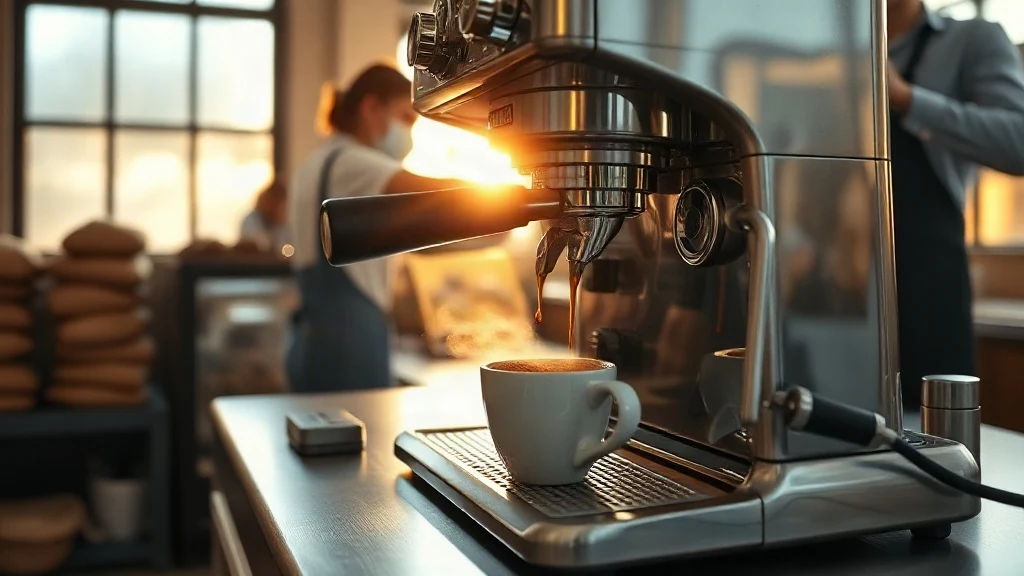
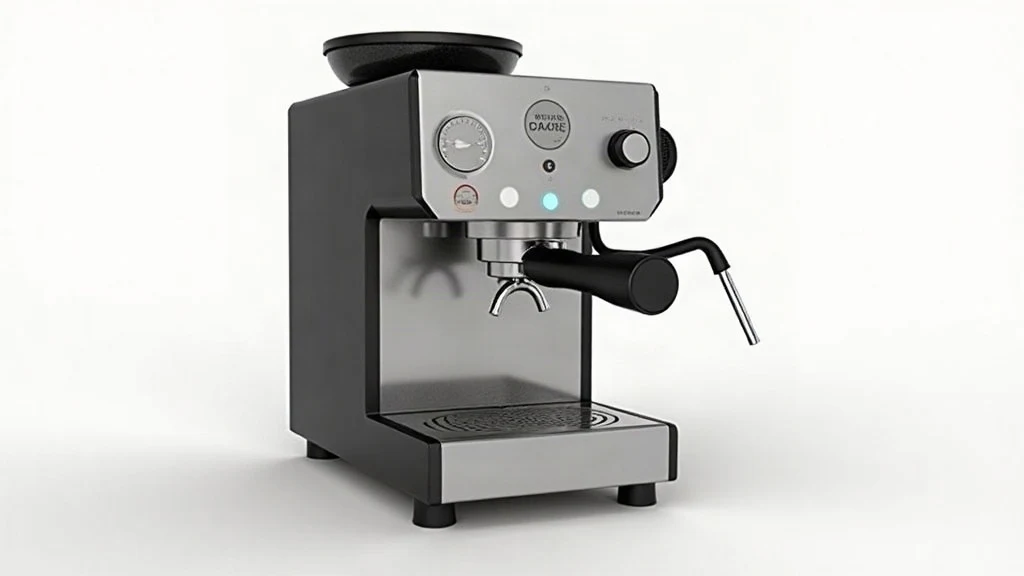
Espressomaschine bar is the German term for a bar espresso machine, a professional-grade espresso machine designed for high-volume use in coffee bars, cafés, and serious home setups. These machines feature commercial components like multi-group heads, powerful boilers, and precise temperature control to deliver consistent espresso shot after shot.
- Bar espresso machines prioritize durability and consistency over convenience, with heavy-duty construction and continuous operation.
- Key features include multiple group heads, rotary pumps, and large boilers, which allow baristas to pull shots and steam milk simultaneously.
- For home use, compact single-group models offer café-quality results without the commercial footprint or price tag.
If you have ever walked into a specialty coffee shop and watched the barista pull a flawless shot, you have seen an espressomaschine bar in action. These machines are the workhorses of the coffee world, built to handle back-to-back orders during the morning rush. But they are not just for professionals. Many home enthusiasts now invest in bar-grade equipment to recreate that café experience in their own kitchens.
This guide explains what an espressomaschine bar is, how it differs from home machines, and what to look for when buying one. Whether you are outfitting a commercial café or building a home espresso bar, you will find practical advice and clear comparisons to help you choose the right machine.
What Does Espressomaschine Bar Mean?
Espressomaschine bar literally translates to "bar espresso machine" in German, and it refers to espresso machines designed for use in bars, cafés, and restaurants. These machines are engineered for high-volume output, with larger boilers, more powerful pumps, and multiple group heads to serve many customers quickly.
Unlike consumer espresso machines, which prioritize convenience and compact size, bar machines focus on durability, speed, and consistency. They are built to run for hours on end, with commercial-grade components that withstand heavy use. The term is commonly used in German-speaking countries, but it is understood worldwide as a descriptor for professional espresso equipment.
Key Features of a Bar Espresso Machine
Bar espresso machines share several defining features that set them apart from home models. Understanding these features helps you evaluate any machine, whether you are shopping for a café or a home bar.
- Group heads: The number of group heads determines how many shots you can pull simultaneously. Commercial machines often have two or three groups, while home bar machines typically have one.
- Boiler type: Heat exchange (HX) and dual boiler systems are common in bar machines. Dual boilers allow independent temperature control for brewing and steaming, which is ideal for milk-based drinks.
- Rotary pump: Rotary vane pumps provide consistent pressure and quiet operation, unlike the vibratory pumps found in cheaper home machines. They also allow direct plumbing to a water line.
- Durability: Commercial machines use stainless steel bodies, brass boilers, and heavy-duty internals to handle constant use.
- Steam power: Bar machines generate powerful steam for quickly texturing milk, essential for lattes and cappuccinos.
Espressomaschine Bar vs. Home Espresso Machine
Choosing between a bar machine and a standard home machine depends on your needs, space, and budget. The table below highlights the main differences.
| Feature | Bar Espresso Machine | Home Espresso Machine |
|---|---|---|
| Group heads | 1 to 3 | 1 |
| Boiler | Large, often dual or HX | Small, single boiler or thermoblock |
| Pump | Rotary | Vibratory |
| Water supply | Plumbed or reservoir | Reservoir only |
| Durability | Commercial-grade, built for heavy use | Consumer-grade, lighter duty |
| Price | $2,000 to $20,000+ | $200 to $3,000 |
| Best for | Cafés, high-volume home bars | Home kitchens, occasional use |
For most home users, a high-end home machine offers plenty of performance without the cost and maintenance of a commercial unit. However, if you host frequent coffee tastings or plan to open a small café, a bar machine may be worth the investment.
How to Choose the Right Espressomaschine Bar
Selecting the right bar espresso machine involves balancing your budget, space, and expected volume. Start by answering these questions:
- How many drinks per day? A single-group machine can handle up to 100 shots daily, while multi-group machines are for higher volumes.
- What is your water source? Plumbed machines require a water line and drain, while reservoir models offer flexibility.
- Do you serve milk drinks? If yes, prioritize steam power and boiler capacity.
- What is your skill level? Some bar machines require more manual control, which can be overwhelming for beginners.
Also consider maintenance. Commercial machines need regular descaling, backflushing, and professional servicing. Factor these costs into your decision.
Top Bar Espresso Machine Brands
Several manufacturers are renowned for their bar espresso machines. These brands are trusted by cafés worldwide for their reliability and performance.
- La Marzocco: Known for the Linea series, a staple in specialty coffee shops.
- Rancilio: The Silvia is a popular home model, while the Classe series serves commercial needs.
- Nuova Simonelli: Offers the Appia and Aurelia lines, favored for their value and consistency.
- Victoria Arduino: Produces the Eagle One, a modern machine with advanced temperature control.
These brands offer a range of models, from compact single-group machines for small cafés to large multi-group units for high-traffic establishments.
Setting Up a Home Espresso Bar
You do not need a commercial license to enjoy bar-quality espresso at home. A dedicated home espresso bar can be built around a compact bar machine, a quality grinder, and a few essential tools.
Start with a good grinder, as fresh, consistent grounds are more important than the machine itself. Pair it with a single-group bar machine, such as the Rancilio Silvia or La Marzocco Linea Mini. Add a tamper, a milk pitcher, and a scale to complete your setup.
For more guidance on choosing a tamper, see our coffee tamper guide. If you are new to espresso, our what is espresso guide covers the basics.
Maintenance Tips for Bar Espresso Machines
Proper maintenance extends the life of your espressomaschine bar and ensures consistent flavor. Follow these tips to keep your machine in top shape.
- Backflush daily: Use a blind basket and cleaning detergent to remove coffee oils from the group head.
- Descale regularly: Mineral buildup affects temperature and pressure. Descaling frequency depends on water hardness.
- Replace gaskets: Group head gaskets wear out over time and should be replaced every 6 to 12 months.
- Clean the steam wand: Purge the wand after each use and wipe it down to prevent milk residue.
For machines with a boiler, check the pressure gauge and safety valve periodically. Professional servicing is recommended annually for commercial units.
Cost of an Espressomaschine Bar
The price of a bar espresso machine varies widely based on brand, features, and capacity. Entry-level commercial machines start around $2,000, while high-end models can exceed $20,000. Home bar machines, like the Rancilio Silvia, cost between $700 and $1,500.
When budgeting, include the cost of installation, plumbing, and maintenance. A plumbed machine requires a water line and drain, which may involve professional installation. Also, budget for quality beans and a good grinder, as these significantly impact the final cup.
Frequently Asked Questions
What is the difference between a bar espresso machine and a regular espresso machine?
A bar espresso machine is built for commercial use, with larger boilers, rotary pumps, and multiple group heads for high-volume output. Regular home machines are smaller, less durable, and designed for occasional use.
Can I use a bar espresso machine at home?
Yes, you can use a bar espresso machine at home, but consider space, power requirements, and maintenance. Compact single-group models are ideal for home bars, while larger multi-group machines may be overkill.
How much does a bar espresso machine cost?
Prices range from $2,000 for entry-level commercial machines to over $20,000 for high-end models. Home bar machines, like the Rancilio Silvia, cost between $700 and $1,500.
What is the best brand for a bar espresso machine?
Top brands include La Marzocco, Rancilio, Nuova Simonelli, and Victoria Arduino. The best brand depends on your budget, volume, and specific needs.
Do I need a plumbed water line for a bar espresso machine?
Not necessarily. Many bar machines offer both plumbed and reservoir options. Plumbed machines provide continuous water supply but require installation, while reservoir models are more flexible.
Read the Manual Espresso Machine Guide
Updated 2026
Next story
Expreita Guide: What It Means and How to Brew Espresso 2026
Expreita is a common misspelling of espresso. Learn what it means, how to brew espresso at home, and which machines to choose in this 2026 guide.