Coffee Types Of: Complete Guide to Every Brew (2026)
Coffee types of explained: species, roasts, brewing methods and the most popular drinks. Quick answers, comparisons and expert tips for 2026.
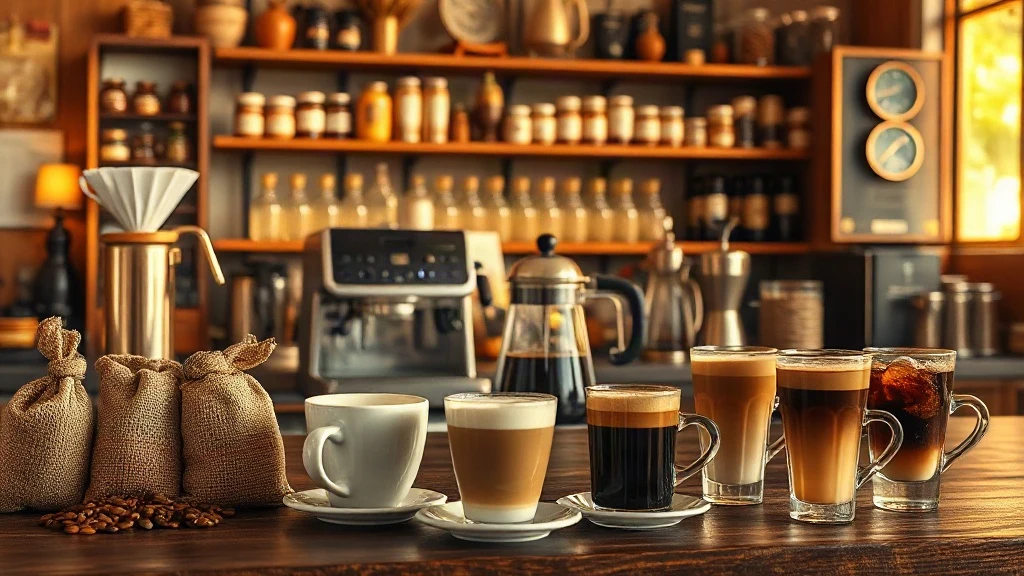
Coffee types of are best grouped by four categories: species, roast, processing, and drink format. The two main species are Arabica and Robusta, roasts run from light to dark, and cafe drinks are mostly espresso-based or brewed filter styles.
Related reading: Discover our full guide on Espressomaschine Bar: Complete Guide for Home & Café (2026).
Related reading: Discover our full guide on Expreita Guide: What It Means and How to Brew Espresso 2026.
Related reading: Discover our full guide on Cafetiere Guide: How to Use a French Press (2026).
- Arabica accounts for roughly 60 percent of world coffee and tastes sweeter, fruitier, and softer.
- Robusta contains about twice as much caffeine as Arabica and adds body and crema to espresso blends.
- Light roasts preserve origin flavor, while dark roasts develop chocolate, caramel, and smoky notes.
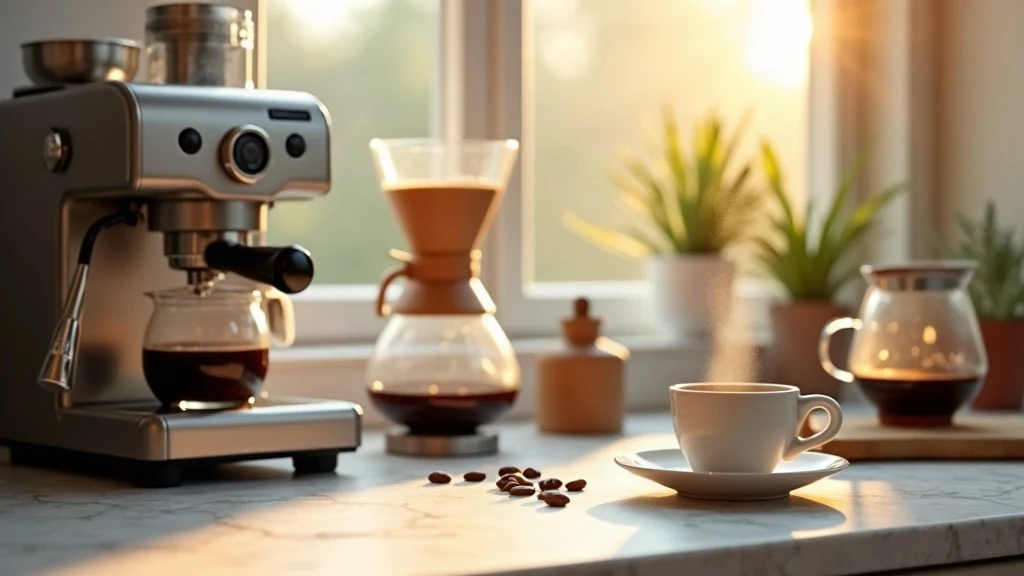
- Espresso, cappuccino, latte, cold brew, and pour over are the most common coffee types of modern cafe menus.
Updated 2026
Coffee is not one single drink. Walk into any cafe and you will find espresso, cappuccino, flat white, cold brew, and pour over, each with distinct flavor, body, and ritual. If you have ever wondered what separates these drinks and how to choose a coffee type you love, this guide answers it directly.
Below you will find the key categories, a quick stats table, practical comparisons, and simple rules for matching coffee types to your favorite brewing method.
Key Coffee Statistics At a Glance
The numbers below reflect the latest official consumption and quality data available.
| Stat | Number | Year | Source |
|---|---|---|---|
| American adults who drank coffee in the past day | 67% | 2024 | National Coffee Association |
| Global coffee consumption | About 177 million 60-kg bags | 2023/24 | International Coffee Organization |
| Specialty coffee score threshold | 80 points on a 100-point scale | Current | Specialty Coffee Association |
Data sources: National Coffee Association, International Coffee Organization, and Specialty Coffee Association.
Coffee Types Of: The Two Main Species
Coffee types of any list start with the plant species, and two species dominate global production.
According to the International Coffee Organization, Arabica makes up around 60 percent of world coffee production. Arabica grows at higher altitudes, matures slowly, and offers delicate acidity, sweetness, and fruity notes. It is the standard for most filter coffee, pour over, and single-origin drinks.
Robusta makes up most of the remaining share. It grows at lower altitudes, resists disease, and contains roughly twice the caffeine of Arabica. Its flavor is stronger, more bitter, and earthier, and it is prized in espresso blends because it creates a thick, golden crema and a heavier body.
| Feature | Arabica | Robusta |
|---|---|---|
| Share of world production | About 60% | About 40% |
| Caffeine content | Around 1.2% | Around 2.2% |
| Flavor | Sweet, fruity, acidic | Bitter, earthy, nutty |
| Best for | Filter and black coffee | Espresso blends and instant coffee |
Coffee Types of Roast: Light, Medium, and Dark
Coffee types of roast describe how long green coffee beans are heated, and this single variable changes acidity, sweetness, body, and bitterness.
Light roast coffee is tan, dry, and dense. It keeps the most origin acidity and fruity flavor, which is why specialty roasters prefer it for single-origin beans and pour over brewing.
Medium roast is the most common style in supermarkets and coffee shops. It balances acidity and body, with caramel, nutty, and chocolate notes that work well with nearly every brewer.
Dark roast beans look shiny because heat pushes oils to the surface. The result is low acidity, heavy body, and strong roasted or smoky flavor, ideal for espresso and moka pot brewing.
- Light roast: best for pour over and drip coffee.
- Medium roast: the most versatile, good for espresso and filter alike.
- Dark roast: best for espresso, moka pot, and milk-based drinks.
If you need the correct grind for each roast and brewer, check our ground coffee guide.
The Most Popular Coffee Drink Types of the World
The most popular coffee drink types of the world split into espresso-based drinks and brewed or immersion drinks.
Espresso is the base for many cafe classics. A standard espresso shot is around 30 ml, made by forcing hot water through finely ground coffee under high pressure. See our what is espresso guide for the full method.
- Americano: espresso diluted with hot water, close in strength to drip coffee.
- Cappuccino: equal parts espresso, steamed milk, and milk foam.
- Caffe latte: espresso with more steamed milk and a thin layer of foam.
- Flat white: espresso with velvety microfoam and less milk than a latte.
- Mocha: a latte with chocolate syrup or cocoa.
Brewed and cold coffee types are just as popular:
- Cold brew: coarse grounds steeped in cold water for 12 to 24 hours, producing a smooth, low-acid concentrate.
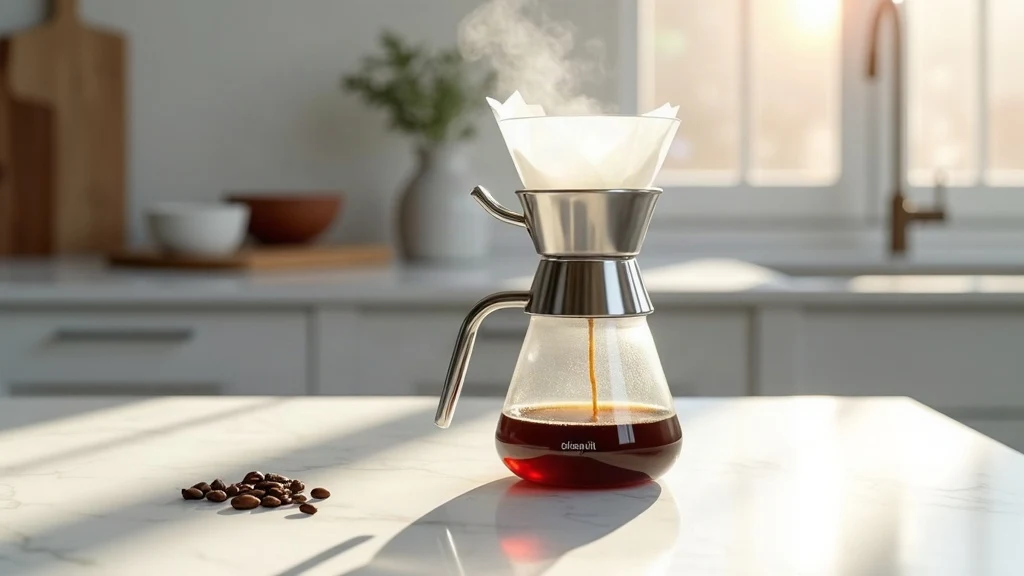
- Pour over: hot water poured over a filter, giving a clean, bright, and aromatic cup.
- French press: coarse grounds steeped with hot water, then separated with a metal plunger.
- Moka pot: a stovetop brewer that creates a strong, espresso-like coffee. Our moka pot guide covers it in detail.
| Drink | Base | Milk | Serving |
|---|---|---|---|
| Espresso | 1 shot | None | Small cup |
| Americano | 1 shot | None | Hot water added |
| Cappuccino | 1 shot | Steamed milk and foam | Equal parts coffee, milk, foam |
| Latte | 1 shot | Steamed milk | More milk, thin foam |
| Cold brew | Coffee grounds | Optional | Cold steep 12 to 24 hours |
For recipes, milk ratios, and step-by-step instructions, browse our coffee drinks guide.
Coffee Types of Processing and Origin
Coffee types of processing describe how the coffee cherry is dried and fermented after harvest, and this step controls much of the cup fruitiness and body.
Washed processing removes the fruit before drying, producing a clean, acidic, and tea-like cup. Natural processing dries the whole cherry, creating fermented, fruity, and heavier flavors. Honey processing removes part of the fruit, giving a balance of sweetness and acidity.
Quality also matters. The Specialty Coffee Association defines specialty coffee with this official line:
"Specialty coffee is a coffee or coffee experience recognized for its distinctive attributes, and because of these attributes, has significant market value."
Specialty-grade beans score 80 points or higher on the cupping scale. This quality marker, combined with origin, roast date, and freshness, matters more than the coffee type name on a bag.
How to Pick the Right Coffee Type for Your Brewer
The right coffee type depends on your brewer, since grind size, roast, and species behave differently in water.
- For espresso machines, choose a medium to dark roast with a fine grind. If you own a manual machine, see our manual espresso machine guide.
- For drip and pour over, choose light to medium Arabica with a medium or fine grind.
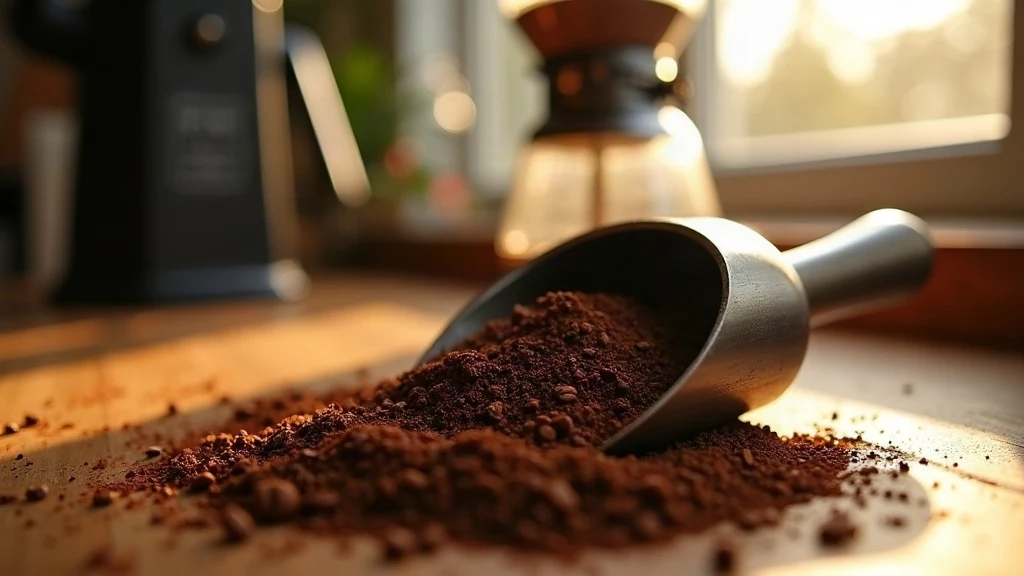
- For French press and cold brew, use coarse ground coffee and a medium roast.
- For moka pots, use a medium to dark roast with a fine grind.
You can also start with a single roasted coffee and test it on different brewers. The same bean can taste completely different as espresso, pour over, or cold brew.
For more general brewing help, browse the coffee brewing guides on this site.
Frequently Asked Questions
How many types of coffee are there?
There are two main species, Arabica and Robusta, plus many roasts, processing methods, and drink formats. No single number applies because these categories combine into hundreds of popular drinks.
What is the difference between arabica and robusta?
Arabica tastes sweeter with more acidity and contains less caffeine. Robusta has about twice the caffeine, a stronger bitter taste, and is often used in espresso blends because it creates a thick crema.
Which coffee type has the most caffeine?
Robusta beans contain around twice as much caffeine as Arabica. Among drinks, a standard espresso shot is more concentrated, but a larger brewed cup can deliver more total caffeine.
Is espresso a type of coffee bean?
No. Espresso is a brewing method, not a bean or roast. It is made by forcing hot water through finely ground coffee under pressure, and nearly any roast or species can be used.
Next story
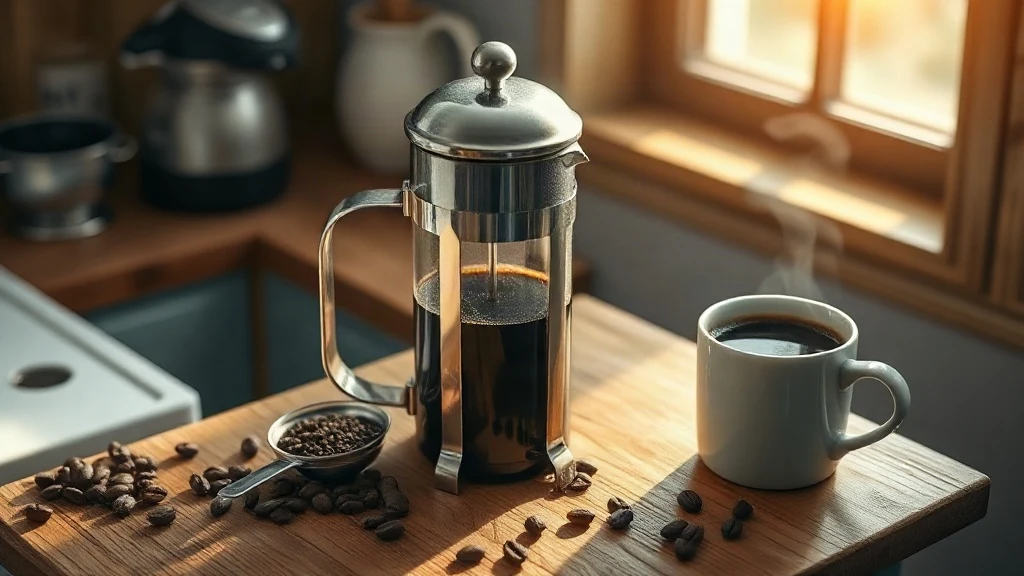
Cafetiere Guide: How to Use a French Press (2026)
Cafetiere guide for 2026: what it is, how to use one, best coffee ratio, grind size, steeping time, and cleaning tips for perfect French press coffee.