Coffee and Machines: Complete Guide for Home Brewers
Coffee and machines: how to match drip, espresso, moka, and pour-over to your daily coffee type. A practical 2026 guide with simple direct advice.
Updated 2026.
Related reading: Discover our full guide on Cafetiere Guide: How to Use a French Press (2026).
Related reading: Discover our full guide on Coffee Types Of: Complete Guide to Every Brew (2026).
Related reading: Discover our full guide on Casabrews Espresso Machine: Complete Guide (2026).
Coffee and machines is the set of tools that turns ground coffee and water into your morning cup, from a simple drip coffee maker to a 9 bar espresso machine. The right match depends on the coffee type you drink and the grind size that coffee type needs.
- The grind size and beans affect flavor more than the machine price.
- Drip and pour-over brewers work best with a medium grind, while espresso machines need a fine grind.
- A moka pot or drip machine is usually the easiest place for beginners to start if you skip espresso machines.
If you are new to brewing, the most helpful way to think about coffee and machines is to treat the coffee and the equipment as one system. The machine controls the water temperature, pressure, and contact time. The coffee type controls the grind, dose, and flavor profile. The cup is only as good as the weakest link, so a simple machine with fresh beans can beat an expensive machine with stale coffee.
What are the main types of coffee machines?
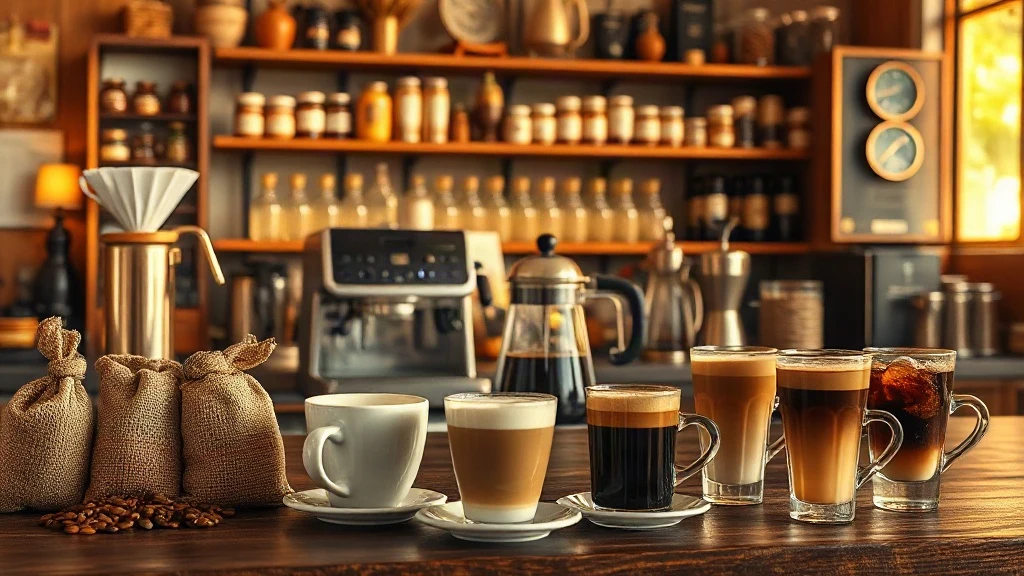
The main types of coffee machines are drip coffee makers, pod machines, pour-over brewers, espresso machines, and stovetop moka pots. Each type uses a different extraction method, and choosing the wrong one can make the same beans taste sour, bitter, or flat. Popular models all do the same basic thing: they add heated water to coffee, but they do it at a different pressure and speed.
| Machine type | How it brews | Best coffee match |
|---|---|---|
| Drip coffee makers | Hot water drips through a medium bed of ground coffee and moves into a carafe | Everyday cups, big batches, and balanced filter coffee |
| Pod machines | Sealed pods are pierced and water is pushed through under low pressure | Fast single cups and quick milk drinks |
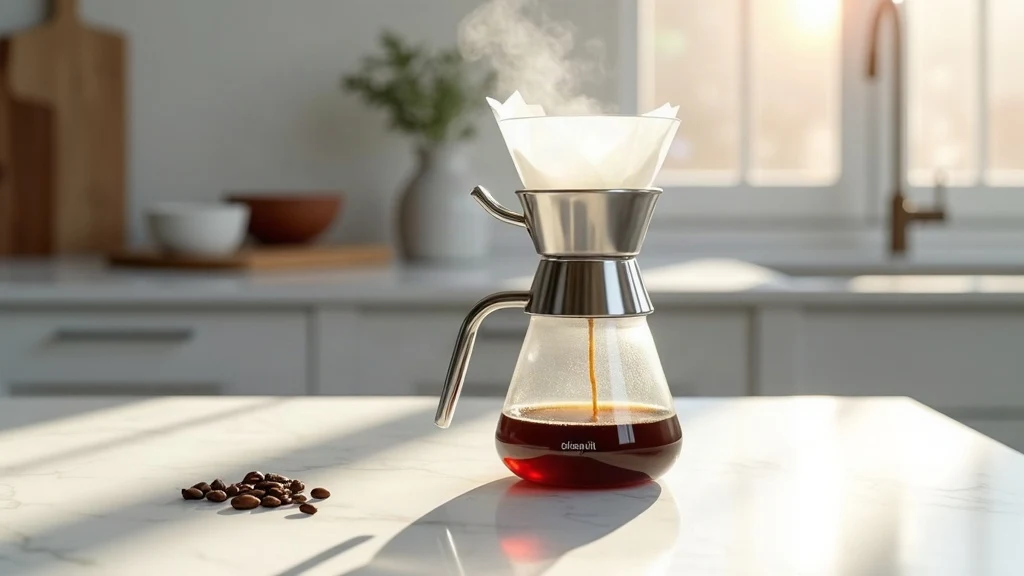
| Pour-over brewers | Water is poured in layers through a paper filter | Light and medium roasts where you want sweetness and clarity |
| Espresso machines | Water is forced under 9 bar pressure through a fine coffee puck | Espresso, cappuccino, latte, and iced espresso drinks |
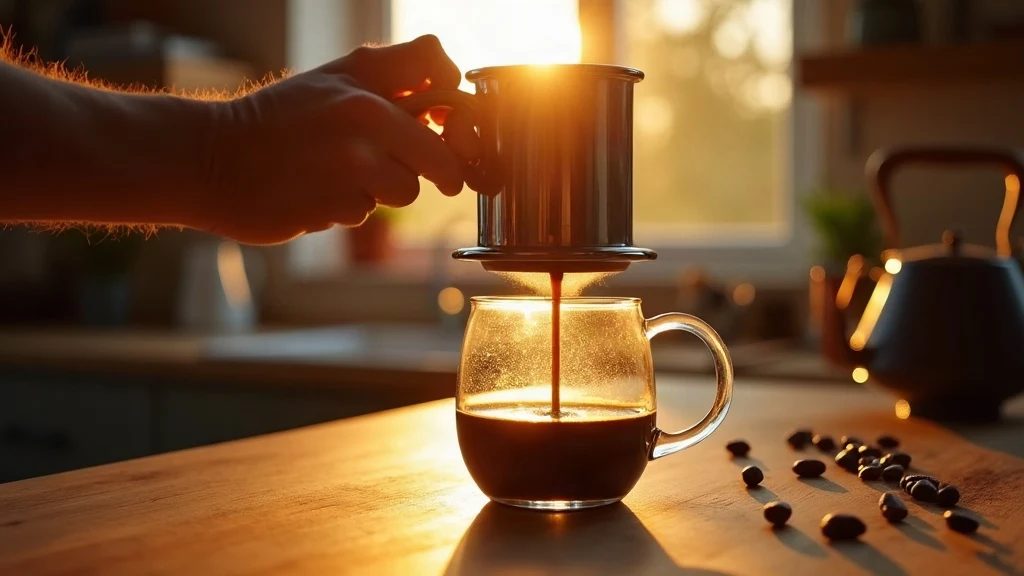
| Moka pot | Steam pressure in a stovetop chamber pushes water upward through coarse fine coffee | Strong, traditional, medium to dark roast coffee |
If you already know that you want espresso, see our what is espresso guide before looking at machines. If you only plan to brew a big mug, a drip coffee maker is easier and cheaper to maintain, including our coffee brewing overview.
Coffee and Machines: How to Match the Equipment to Your Coffee Type
The cleanest pairing rule is simple: espresso and milk drinks need an espresso machine, black filter coffee works well with drip or pour-over, and strong old stovetop style cups fit a moka pot. It is a beverage style decision, not a brand decision.
- Choose light single origin coffee with pour-over methods to taste fruit and sweetness.
- Choose a medium roast with a drip machine for an balanced, easy daily cup.
- Choose a dark roast and 9 bar espresso machine for a dense, chocolate style cup.
- Choose a moka pot when you want a bold, small cup without buying an espresso machine.
For more drink ideas, the classic coffee drinks guide on Brew Coffee Tips explains which base, espresso or filter, each drink needs.
Which espresso machine should a beginner choose?
A beginner should choose a machine with a pressurized filter basket instead of a very expensive commercial style model. Pressurized baskets forgive small errors in grind and tamping, which makes the first few weeks more rewarding than starting with a pro level portafilter.
Start with a single boiler machine for espresso and milk together if the budget allows, or use a manual lever only if you like more control. Our manual espresso machine guide walks through the simpler models and the mistakes to avoid. You almost always want a burr grinder too, because bag ground coffee is not fine enough for espresso.
Is a moka pot the same as an espresso machine?
A moka pot is not a real espresso machine, but it is the closest stovetop option for a brush, strong, espresso-like cup. It uses low steam pressure, usually around 1 bar, not the 9 bar that defines espresso extraction. That is enough to make a strong coffee with some crema and it costs a fraction of an espresso machine.
Learn the exact step by step in our moka pot brewing guide. The key with a moka pot is to use a slightly finer than drip grind and to stop before the water becomes arriving bubbles, which make the cup bitter.
Why do grinders and coffee machines belong together?
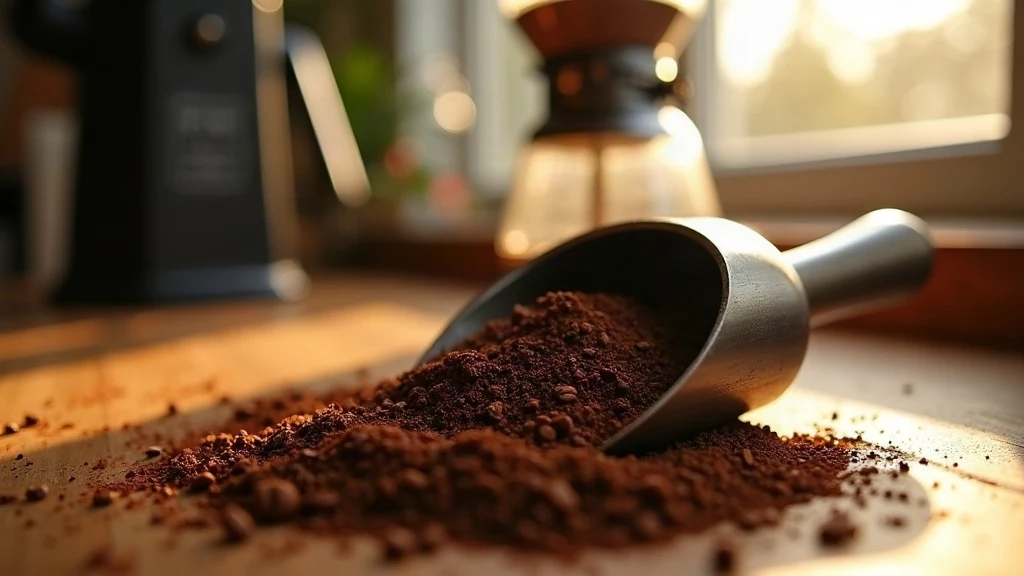
Yes, a grinder is the most important companion to any coffee machine. The same coffee beans can taste clean, sweet, or sour depending on the grind size at consistent extraction. Espresso machines need fine grind; drip and pour-over need medium grind; and cold drinks generally need a robust grind.
James Hoffmann, author of The World Atlas of Coffee, has made this clear for home brewers many times: a good grinder improves the cup more than a flashy new machine. As a simple approach, start with a consistent burr grinder, then choose the machine that matches the coffee.
For the right recipe, see this ground coffee guide, and if you want to avoid plastic parts, check our plastic free coffee maker recommendation.
How often should coffee and machines be cleaned and descaled?
You should rinse a coffee machine after each use and formally descale every two to three months, but hard water may require more frequent descaling. The fastest signs of a handling machine are slower brew flow, a dull smell, and coffee with a parcel or bitter finish.
For espresso machines, wipe the group head and clean the basket daily. Need a simple approach rather than special maintenance, follow the National Coffee Association's basic brew advice at NCAA or use the Specialty Coffee Association's public guidance at SCA.coffee.
Frequently Asked Questions
What kind of coffee machine gives the most complete cup of coffee?
Most home cups is a regular drip coffee maker. It uses medium ground coffee and a paper filter, so a typical drinker gets a clean and balanced cup for a small cost.
Which coffee machine is best for a beginner?
A drip machine or stovetop moka pot are the best beginner options. Both are simple to control, inexpensive, and easy to clean, and both work with a basic bag of pre-ground coffee.
Do I need an espresso machine to make espresso drinks?
Yes, if you want the exact 9 bar espresso extraction. You can make a similar strong coffee with a moka pot, but it will not have the same true espresso profile or crema.
Is a pod machine considered a coffee machine?
Yes, pod machines are coffee machines. They use sealed capsules and automatic pressure, so you get a fast and drinkable cup without controlling the grind or weight.
Can I use espresso coffee in a drip machine?
Yes, but the cup will be stronger and might taste more bitter. Espresso grind is too fine for drip and it extracts quickly under gravity, so a drip limit uses medium ground coffee.
Next story
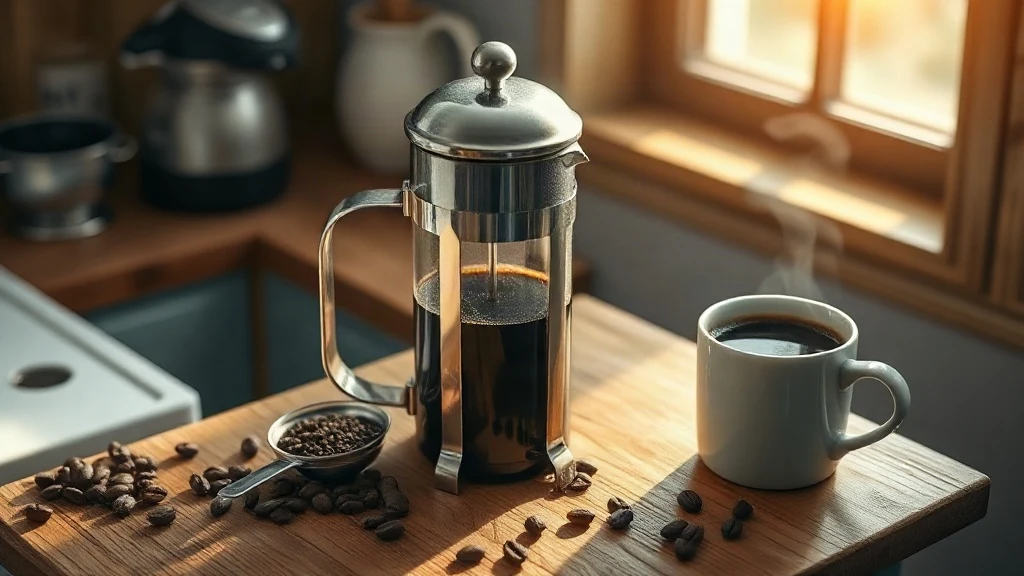
Cafetiere Guide: How to Use a French Press (2026)
Cafetiere guide for 2026: what it is, how to use one, best coffee ratio, grind size, steeping time, and cleaning tips for perfect French press coffee.