Cafetiere Guide: How to Use a French Press (2026)
Cafetiere guide for 2026: what it is, how to use one, best coffee ratio, grind size, steeping time, and cleaning tips for perfect French press coffee.
Updated: 2026
Related reading: Discover our full guide on Espressomaschine Bar: Complete Guide for Home & Café (2026).
Related reading: Discover our full guide on Expreita Guide: What It Means and How to Brew Espresso 2026.
Cafetiere is the British term for a French press, a simple brewer that steeps coarse coffee in hot water and uses a mesh plunger to separate the grounds.
- Use 15 grams of coffee per 250 ml of water for a balanced cup.
- Grind coffee coarse and steep for 4 minutes before plunging.
- Rinse and wipe the cafetiere after every use to keep the coffee clean.
A cafetiere, also called a coffee plunger, gives you a full-bodied cup with very little equipment. It is cheap, quiet, and easy to use.
If you are new to brewing, this is one of the most forgiving ways to start. The whole process takes about five minutes from first scoop to first sip. If you have not brewed coffee before, our How to Make Coffee guide covers the basics.
What Is a Cafetiere?
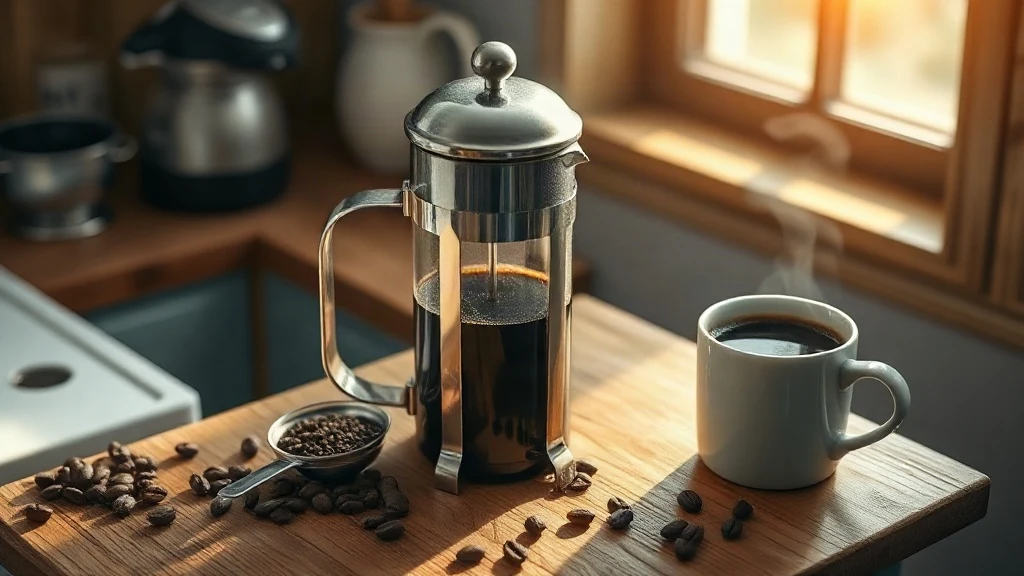
A cafetiere is a plunger-style coffee maker that steeps coarse grounds in hot water and filters them with a metal mesh. The carafe is usually glass, and the lid holds a plunger that you press down slowly.
In the UK, cafetiere and French press mean the same thing. In North America, people usually say French press. In France, the word can also mean any coffee maker, but in this guide we use the UK meaning: a plunger pot.
Why the Cafetiere Remains Popular
The cafetiere has survived for decades because it is cheap, easy to clean, and produces a rich cup without electricity. It uses no paper filters, so the natural oils that carry coffee flavour stay in the cup.
Coffee demand around the world keeps growing. According to the International Coffee Organization, world coffee consumption was about 175.6 million 60kg bags in the 2021/22 coffee year. In the UK, the British Coffee Association says an estimated 95 million cups of coffee are drunk every day.
| Stat | Figure | Source |
|---|---|---|
| UK cups of coffee drunk per day | 95 million | British Coffee Association |
| World coffee consumption, 2021/22 | 175.6 million 60kg bags | International Coffee Organization |
For more background, see the British Coffee Association and the International Coffee Organization.
'An estimated 95 million cups of coffee are consumed in the UK every day.' British Coffee Association
Coffee educator James Hoffmann has also noted that immersion brewers like the cafetiere keep more of the coffee's natural oils, which gives a heavier body than paper-filtered coffee.
How to Use a Cafetiere in 6 Steps
Warm the carafe, addcoffee and hot water, steep for 4 minutes, then press the plunger down slowly.
- Warm the glass carafe with hot water, then empty it.
- Add 15 grams of coarse coffee per 250 ml of water.
- Pour hot water cooled to about 93 degrees C over the grounds.
- Stir gently so all the grounds are saturated.
- Set a timer and steep for 4 minutes.
- Press the plunger down slowly and pour immediately.
Use water just off the boil, around 93 to 96 degrees C. Boiling water can scorch the grounds and make the cup bitter.
What Coffee to Water Ratio Should You Use?
Use a weight ratio between 1:15 and 1:17 for a balanced cup. That means 15 to 17 grams of coffee for every 250 grams of water.
- A 1:17 ratio makes a lighter, tea-like cup.
- A 1:15 ratio makes a stronger, richer cup.
- As a quick volume shortcut, use about two tablespoons per 250 ml mug.
A kitchen scale gives the most consistent results because scoops vary. If you want to understand different grinds, our ground coffee guide explains the full range.
What Grind Size Is Best for a Cafetiere?
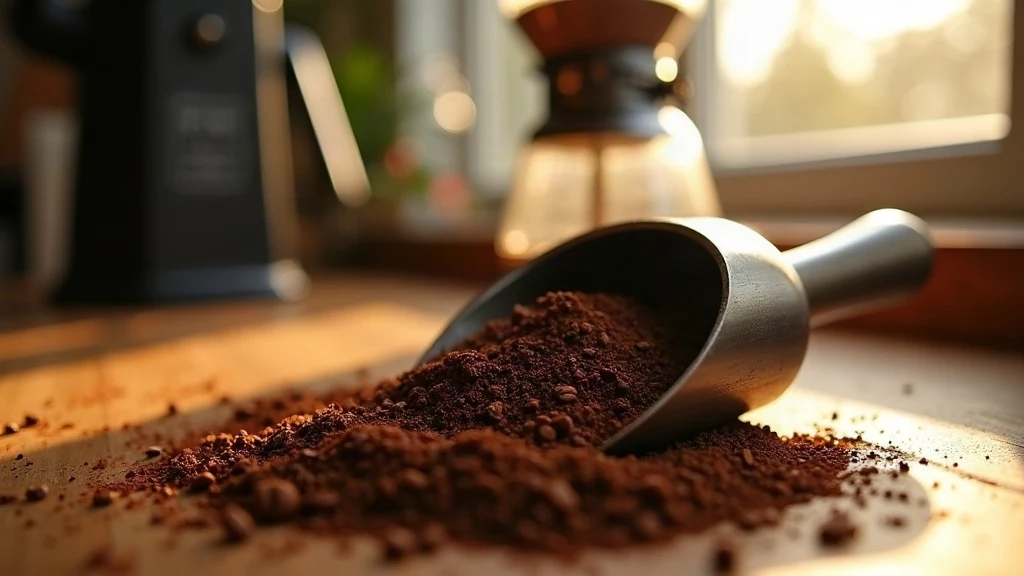
Use a coarse, even grind for a cafetiere, about the size of breadcrumbs or coarse sea salt.
Coarse grounds stay trapped by the mesh and extract evenly. Fine grind is the most common reason a cafetiere cup tastes muddy and bitter. If you buy pre-ground coffee, look for a French press or cafetiere grind size.
How Long Should Coffee Steep in a Cafetiere?
Steep the coffee for 4 minutes before plunging for a full, balanced extraction.
Start the timer as soon as you finish pouring the water. If the coffee tastes weak, add 30 seconds next time. If it tastes bitter, reduce the steep to 3 minutes.
Cafetiere Mistakes to Avoid
Most common problems come from four small errors in technique. Avoid these and your cup will be cleaner and more enjoyable.
- Using boiling water directly on the grounds causes bitterness.
- Using fine grind leads to sludgy coffee.
- Pressing the plunger too fast pushes fine grounds into the cup.
- Leaving brewed coffee in the carafe over extracts and turns bitter.
Cafetiere vs Moka Pot vs Drip: Which Is Better?
The cafetiere makes a fuller, more textured brew than a drip machine, while a moka pot makes a stronger, espresso-like cup.
| Method | Strength | Body | Best For |
|---|---|---|---|
| Cafetiere | Medium | Full and rich | Daily full-bodied coffee |
| Moka Pot | Strong | Dense and heavy | Espresso-like coffee at home |
| Drip machine | Medium | Clean and light | Brewing several cups at once |
If you want a rich, creamy body, the cafetiere does the job with almost no cost. For a stronger, more concentratedbrew, the Moka Pot guide shows a different approach.
How to Clean a Cafetiere Properly
Rinse the carafe and plunger immediately after use, then wash them with warm soapy water to remove coffee oils.
Once a week, take apart the mesh filter and soak the parts in water with a little white vinegar. This keeps the mesh open and stops old oils from ruining future brews.
Frequently Asked Questions
Is a cafetiere the same as a French press?
Yes, they are two names for the same brewer. In the UK and France it is called a cafetiere, while in North America it is more often called a French press or coffee plunger.
How long should coffee steep in a cafetiere?
Steep for 4 minutes before pressing the plunger. Adjust by 30 seconds either way to change strength, but pour the coffee out as soon as it is pressed so it does not keep extracting.
Can I use espresso ground coffee in a cafetiere?
No, espresso ground coffee is too fine for a cafetiere. It slips through the mesh and makes the cup sludgy and bitter. Choose a coarse, even grind instead.
How much coffee do I put in a cafetiere?
Use 15 to 17 grams of coffee per 250 ml of water. For a one litre cafetiere, that is 60 to 68 grams. As a quick measure, use about two tablespoons per mug.
Next story
Coffee Types Of: Complete Guide to Every Brew (2026)
Coffee types of explained: species, roasts, brewing methods and the most popular drinks. Quick answers, comparisons and expert tips for 2026.